
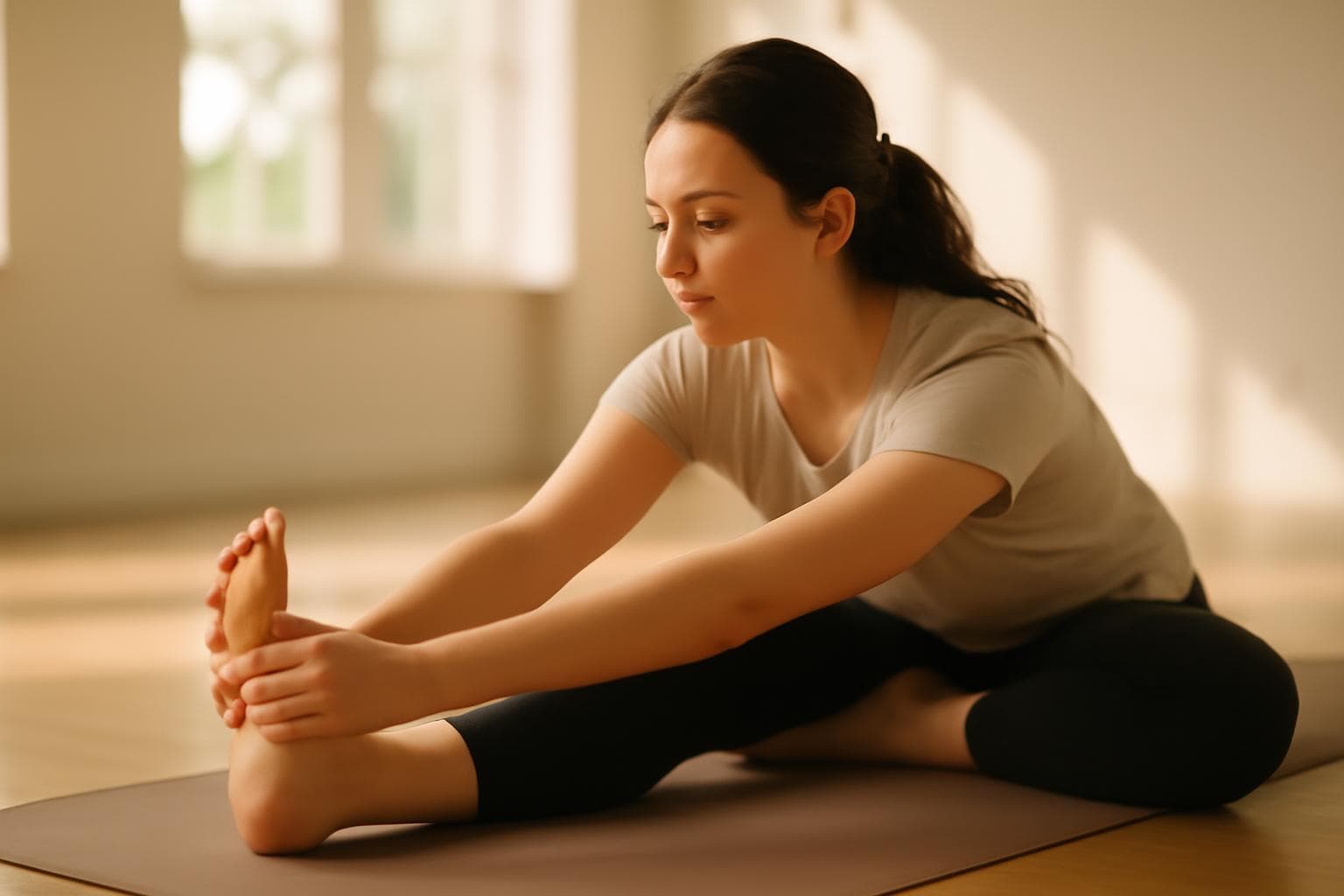
Improving flexibility is essential for overall health and ease in daily activities. This guide provides practical steps and exercises tailored for beginners to enhance flexibility safely.
Understanding Flexibility
Flexibility refers to the ability of muscles and joints to move through their full range of motion. It plays a crucial role in daily tasks, athletic performance, and injury prevention. As we age, muscles and joints naturally lose elasticity, making regular flexibility exercises important to maintain mobility and reduce stiffness.
Benefits of Improved Flexibility
- Enhanced Mobility: Greater ease in performing daily activities such as bending, reaching, and walking.
- Injury Prevention: Flexible muscles and joints are less prone to injuries.
- Reduced Muscle Tension: Regular stretching alleviates muscle tightness and discomfort.
- Improved Posture: Flexibility exercises can correct muscle imbalances, leading to better posture.
- Stress Relief: Stretching promotes relaxation and reduces stress levels.
Getting Started: Safe Stretching Practices
Before beginning any flexibility routine, it's important to follow these guidelines to ensure safety and effectiveness:
- Warm-Up: Engage in 5–10 minutes of light aerobic activity, such as walking or gentle cycling, to increase blood flow to muscles.
- Dynamic Stretching Before Activity: Perform controlled movements that mimic the activity you're about to do. Examples include leg swings and arm circles. This prepares the body for exercise and reduces the risk of injury. Source
- Static Stretching After Activity: Hold stretches for 15–30 seconds without bouncing. Focus on major muscle groups like calves, hamstrings, quadriceps, chest, shoulders, and back. Repeat each stretch 2–4 times. Source
- Consistency: Aim to stretch at least 2–3 days per week. Regular practice yields the best results.
- Listen to Your Body: Stretch to the point of mild tension, not pain. If discomfort occurs, ease off the stretch.
Effective Flexibility Exercises for Beginners
Incorporate the following stretches into your routine to target key muscle groups:
1. Hamstring Stretch
Purpose: Stretches the muscles at the back of the thigh.
How to Perform:
- Stand upright with one foot slightly in front of the other.
- Keep your back straight and gently lean forward from your hips.
- Hold the stretch for 20–30 seconds.
- Switch legs and repeat.
2. Quadriceps Stretch
Purpose: Targets the front thigh muscles.
How to Perform:
- Stand near a wall for support.
- Grasp your ankle and gently pull your heel toward your buttocks.
- Keep your knees close together and avoid arching your back.
- Hold for 20–30 seconds.
- Switch legs and repeat.
3. Shoulder Stretch
Purpose: Enhances shoulder flexibility.
How to Perform:
- Bring one arm across your body at shoulder height.
- Use the opposite hand to press the arm toward your chest.
- Hold for 20–30 seconds.
- Switch arms and repeat.
4. Hip Flexor Stretch
Purpose: Stretches the muscles at the front of the hip.
How to Perform:
- Kneel on one knee with the other foot in front, forming a 90-degree angle.
- Push your hips forward gently until you feel a stretch in the front of your hip.
- Hold for 20–30 seconds.
- Switch sides and repeat.
Incorporating Flexibility into Daily Life
Beyond structured stretching routines, consider these strategies to enhance flexibility:
- Yoga and Pilates: These practices combine stretching, strength, and balance exercises, promoting overall flexibility. Even short, beginner-friendly sessions can be beneficial. Source
- Active Lifestyle: Engage in activities that naturally incorporate stretching, such as swimming or dancing.
- Mindful Movement: Pay attention to your body's signals and incorporate gentle stretches throughout the day, especially if you have a sedentary lifestyle.
Common Mistakes to Avoid
To ensure a safe and effective flexibility routine, be mindful of these common pitfalls:
- Bouncing During Stretches: This can cause muscle strain. Always perform stretches smoothly and hold them steadily.
- Skipping Warm-Up: Stretching cold muscles increases the risk of injury. Always warm up before stretching.
- Overstretching: Pushing too far can lead to injuries. Stretch to the point of mild tension, not pain.
- Inconsistency: Irregular stretching yields minimal benefits. Aim for a consistent routine.
Conclusion
Improving flexibility is a gradual process that requires consistency and attention to proper technique. By incorporating the exercises and practices outlined above, beginners can enhance their flexibility, leading to better mobility, reduced risk of injury, and improved overall well-being.
For personalized guidance and to ensure you're performing stretches correctly, consider working with a certified personal trainer. Explore our directory of vetted trainers to find the right fit for your fitness journey.