
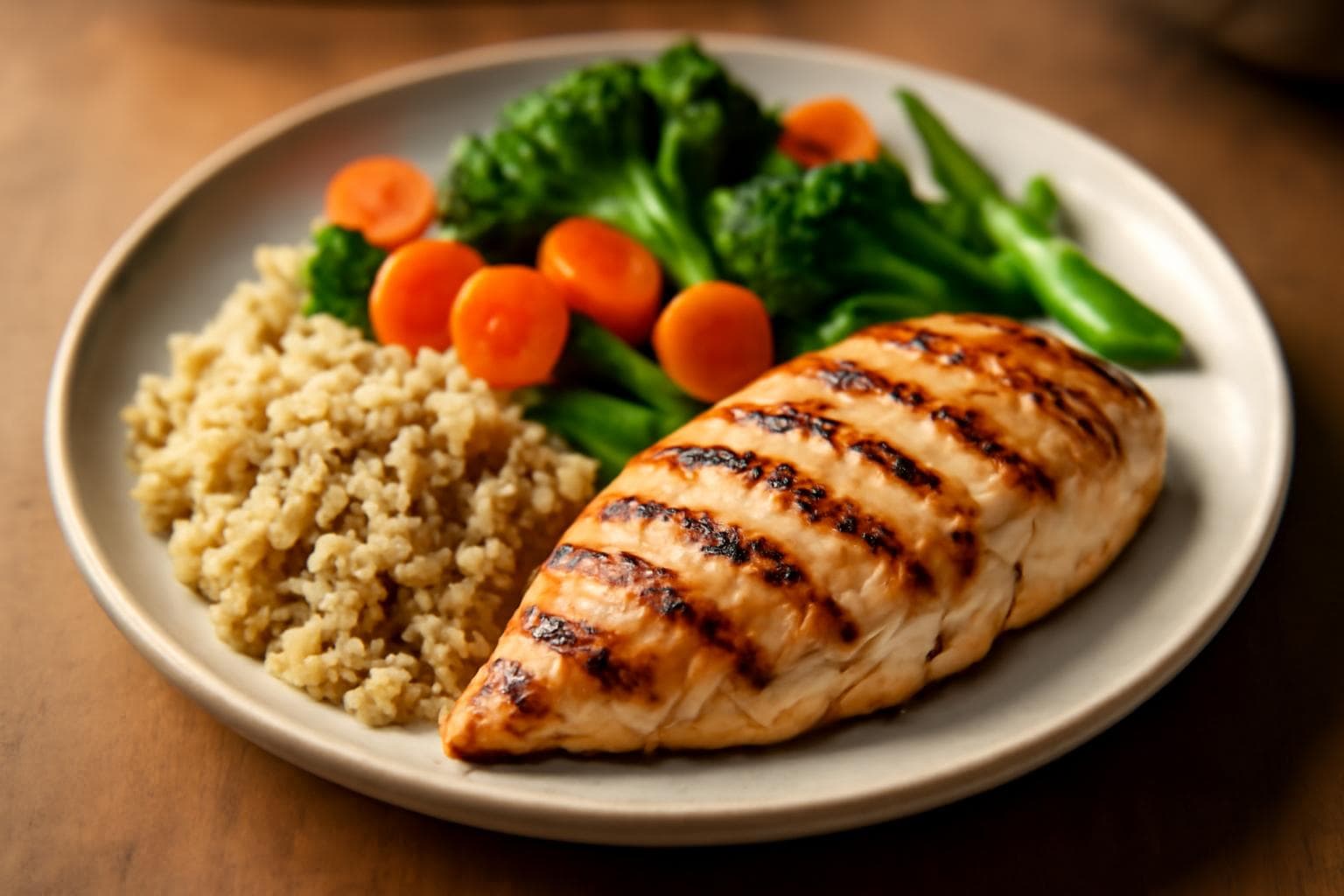
Achieving muscle growth requires a strategic approach to nutrition, focusing on adequate protein intake, caloric surplus, and balanced macronutrients.
Understanding Muscle Growth
Muscle hypertrophy, or growth, occurs when muscle protein synthesis (MPS) exceeds muscle protein breakdown (MPB). Resistance training provides the stimulus for MPS, but without proper nutrition, particularly sufficient protein and calories, muscle growth is limited.
Caloric Intake: The Foundation of Muscle Gain
To build muscle, consuming more calories than your body expends is essential. This caloric surplus provides the energy necessary for MPS.
Determining Your Caloric Needs
Calculate your Total Daily Energy Expenditure (TDEE) by considering your basal metabolic rate and activity level. Adding a surplus of 200–500 calories per day to your TDEE supports muscle growth while minimizing fat gain. For example, an individual with a TDEE of 2,500 calories should aim for 2,700–3,000 calories daily.
Protein: The Building Block of Muscle
Protein provides the amino acids necessary for MPS. The International Society of Sports Nutrition recommends 1.4–2.0 grams of protein per kilogram of body weight per day for individuals engaged in resistance training. For a 70 kg individual, this equates to 98–140 grams of protein daily.
High-Quality Protein Sources
- Lean meats (chicken, turkey, beef)
- Fish (salmon, tuna)
- Dairy products (milk, yogurt, cottage cheese)
- Eggs
- Plant-based proteins (tofu, legumes, quinoa)
Distributing protein intake evenly across meals enhances MPS. Aim for 20–40 grams of protein per meal, depending on individual needs.
Carbohydrates: Fuel for Performance
Carbohydrates replenish glycogen stores, providing energy for intense workouts. Consuming 3–6 grams of carbohydrates per kilogram of body weight daily supports training performance. For a 70 kg individual, this amounts to 210–420 grams of carbohydrates per day.
Optimal Carbohydrate Sources
- Whole grains (brown rice, oats, whole wheat bread)
- Fruits and vegetables
- Legumes
- Starchy vegetables (sweet potatoes, squash)
Fats: Essential for Hormonal Balance
Fats play a crucial role in hormone production, including testosterone, which influences muscle growth. Aim for fats to constitute 20–35% of your total daily caloric intake. For a 2,800-calorie diet, this equates to 56–109 grams of fat per day.
Healthy Fat Sources
- Avocados
- Nuts and seeds
- Olive oil
- Fatty fish (salmon, mackerel)
Meal Timing and Frequency
While total daily intake is paramount, meal timing can influence MPS. Consuming protein-rich meals every 3–4 hours may optimize muscle protein synthesis. Additionally, consuming protein and carbohydrates post-workout can enhance recovery and muscle growth.
Hydration: Supporting Performance and Recovery
Proper hydration is vital for optimal performance and recovery. Dehydration can impair strength and endurance, hindering muscle growth. Aim to drink water consistently throughout the day, especially before, during, and after workouts.
Supplements: Are They Necessary?
While whole foods should be the primary source of nutrients, certain supplements can support muscle gain:
- Protein Powders: Convenient for meeting protein requirements, especially post-workout.
- Creatine Monohydrate: Supports increased strength and muscle mass when combined with resistance training.
- Branched-Chain Amino Acids (BCAAs): May reduce muscle soreness and support recovery, though benefits are more pronounced when dietary protein intake is insufficient.
Consult with a healthcare professional before introducing supplements to your regimen.
Monitoring Progress and Adjusting Intake
Regularly assess your progress by tracking body composition, strength levels, and overall performance. If muscle gain is slower than expected, consider adjusting caloric intake or training intensity. Conversely, if excessive fat gain occurs, reduce the caloric surplus slightly.
Conclusion
Effective muscle gain is underpinned by a well-structured nutrition plan emphasizing adequate protein intake, a controlled caloric surplus, and balanced macronutrients. By adhering to these principles and consistently monitoring progress, individuals can optimize muscle growth and overall performance.
For personalized guidance and support on your muscle-building journey, consider connecting with a qualified personal trainer or nutrition coach. Explore our trainer directory to find professionals who can tailor a program to your specific needs.
References
- How to Gain Muscle: Tips, Diet, and Workout Design
- Proper Diet for Muscle Gain | Body Building Foods
- Protein for Muscle Building: How Much You Really Need
- Hypertrophy Research & Evidence | Lafe
- Evidence-based recommendations for natural bodybuilding contest preparation: nutrition and supplementation