
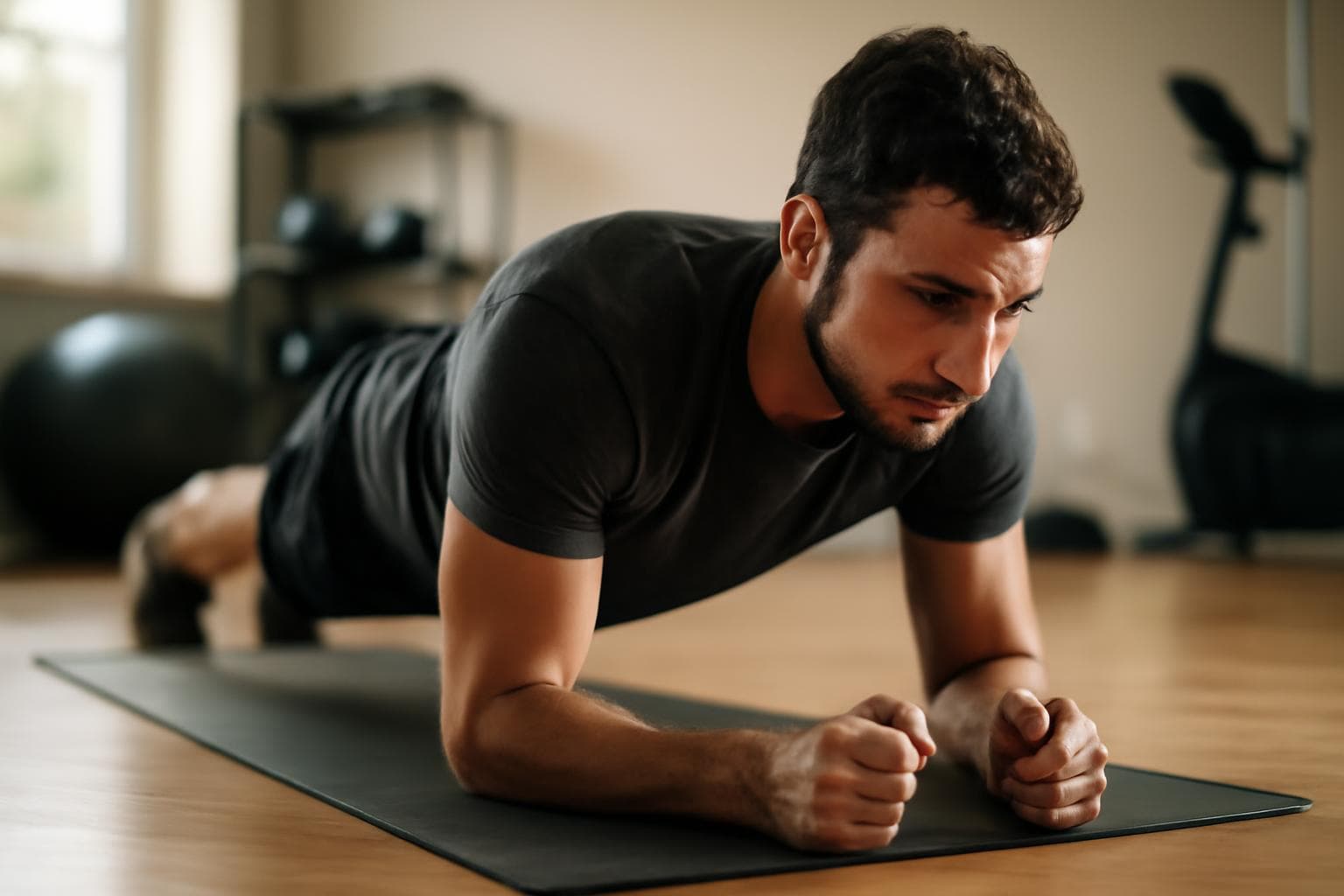
Core stability is fundamental to overall physical health, influencing balance, posture, and the efficiency of daily movements. Strengthening the core muscles enhances functional fitness and reduces the risk of injuries.
Understanding Core Stability
The core encompasses muscles in the abdomen, lower back, hips, and pelvis. These muscles work synergistically to stabilize the spine and pelvis, facilitating movement and maintaining posture. A strong core is essential for activities ranging from routine tasks to athletic performance.
Benefits of Core Stability
- Improved Balance and Coordination: A stable core provides a solid foundation, enhancing balance and coordination during various activities. This stability is crucial for both everyday movements and athletic performance. Mayo Clinic
- Enhanced Posture: Strengthening core muscles supports proper spinal alignment, reducing the likelihood of slouching and associated discomfort. Mayo Clinic
- Reduced Risk of Back Pain: A robust core alleviates strain on the lower back by distributing weight more evenly, potentially decreasing the incidence of back pain. Mayo Clinic
- Enhanced Athletic Performance: Athletes benefit from core stability through improved power transfer between the upper and lower body, leading to better performance in sports that require rotational movements. PubMed
Evidence-Based Core Stability Exercises
Incorporating specific exercises into your routine can effectively enhance core stability. Below are some evidence-based exercises recommended by health professionals:
1. Plank
The plank is a foundational exercise that engages multiple core muscles simultaneously.
- How to Perform: Lie face down, then lift your body onto your forearms and toes, keeping your body in a straight line from head to heels. Hold this position, ensuring your core is engaged and your back remains flat.
- Benefits: Enhances endurance in core muscles and improves overall stability. Mayo Clinic
2. Bridge
The bridge targets the lower back, glutes, and abdominal muscles.
- How to Perform: Lie on your back with knees bent and feet flat on the floor. Tighten your abdominal muscles and lift your hips off the floor until they align with your knees and shoulders. Hold for a few seconds, then lower back down.
- Benefits: Strengthens the posterior chain and enhances pelvic stability. Mayo Clinic
3. Side Plank
This exercise focuses on the obliques and improves lateral stability.
- How to Perform: Lie on your side, propped up on your forearm with your elbow directly under your shoulder. Stack your feet and lift your hips, creating a straight line from head to feet. Hold this position, then switch sides.
- Benefits: Enhances side core strength and balance. Mayo Clinic
4. Bird-Dog
The bird-dog exercise promotes stability and coordination.
- How to Perform: Start on your hands and knees. Extend your right arm and left leg simultaneously, keeping your back straight. Hold briefly, then return to the starting position and repeat on the opposite side.
- Benefits: Improves balance and strengthens the lower back and abdominal muscles. Mayo Clinic
5. Russian Twists
This exercise targets the obliques and enhances rotational strength.
- How to Perform: Sit on the floor with knees bent and feet flat. Lean back slightly, keeping your back straight. Hold a weight or medicine ball with both hands and rotate your torso to the right, then to the left, tapping the weight beside your hip each time.
- Benefits: Develops rotational core strength and improves functional movement patterns. Woman & Home
Integrating Core Stability into Your Routine
To effectively enhance core stability, consider the following guidelines:
- Consistency: Incorporate core exercises into your routine 2-3 times per week.
- Progression: Gradually increase the intensity and duration of exercises as your strength improves.
- Form: Focus on proper technique to maximize benefits and prevent injury.
- Variety: Include a mix of exercises to target different core muscles and prevent plateaus.
By dedicating time to core stability exercises, you can enhance your overall strength, improve functional movements, and reduce the risk of injuries. Remember to consult with a fitness professional to tailor exercises to your individual needs and ensure proper form.
References
- Core exercises: Why you should strengthen your core muscles - Mayo Clinic
- Exercises to improve your core strength - Mayo Clinic
- Core stability training for injury prevention - PubMed
- Personal trainer reveals how to do the Russian twist exercise 'without lower-back pinching' to build core strength and stability
For personalized guidance and to explore a variety of fitness courses, consider connecting with a certified personal trainer through Fitsylvania. Our platform offers access to experienced professionals who can help you achieve your fitness goals effectively.