
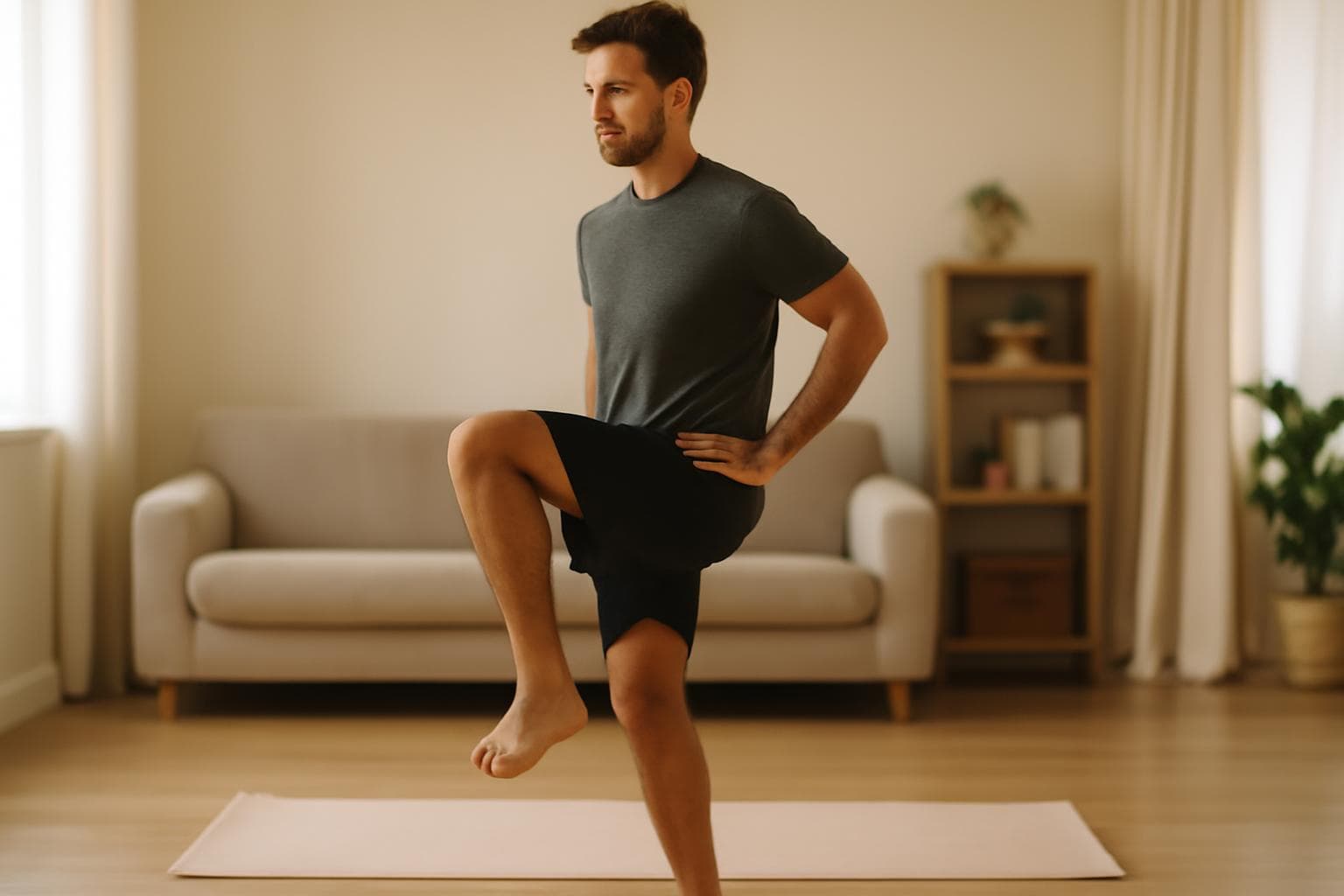
Enhancing your balance is crucial for daily activities and fall prevention. Incorporating specific exercises into your routine can significantly improve stability and coordination.
Understanding the Importance of Balance
Balance is the ability to maintain your body's centre of gravity over your base of support. It involves a complex interplay between the sensory systems (visual, vestibular, and proprioceptive) and the musculoskeletal system. Good balance is essential for performing everyday tasks such as walking, climbing stairs, and carrying objects. As we age, balance tends to decline, increasing the risk of falls and related injuries. Therefore, proactively working on balance can enhance mobility and independence.
Effective Balance Exercises
Incorporating balance exercises into your fitness regimen can strengthen the muscles responsible for stability and improve coordination. Here are some effective exercises to consider:
1. Single-Leg Stance
This exercise enhances unilateral balance and strengthens the lower body.
- How to Perform: Stand upright with feet hip-width apart. Lift one foot off the ground, bending the knee slightly. Hold the position for up to 30 seconds, then switch legs. Repeat 2–3 times per leg.
- Progression: Perform the exercise with eyes closed or on an unstable surface like a cushion to increase difficulty.
2. Heel-to-Toe Walk
Also known as the tandem walk, this exercise improves dynamic balance and coordination.
- How to Perform: Walk in a straight line, placing the heel of one foot directly in front of the toes of the other foot with each step. Continue for 20 steps.
- Safety Tip: Perform near a wall or sturdy object for support if needed.
3. Sit-to-Stand Exercise
This movement builds lower body strength and enhances balance during transitions.
- How to Perform: Sit on a sturdy chair with feet flat on the floor. Lean forward slightly and stand up without using your hands. Slowly sit back down and repeat 10 times.
- Progression: Increase repetitions or hold a weight to add resistance.
4. Tai Chi
Tai Chi is a form of gentle movement training that involves shifting the body slowly, gently, and precisely, while breathing deeply. It has been shown to improve balance and reduce the risk of falls.
- How to Perform: Join a local class or follow instructional videos to learn the sequences.
- Benefits: Enhances balance, flexibility, and mental focus.
5. Yoga
Practicing yoga can improve your balance, strength, and flexibility. Many different types of exercises can improve strength, endurance, flexibility, and balance. For example, practicing yoga can improve your balance, strength, and flexibility.
- How to Perform: Engage in poses like Tree Pose or Warrior III, focusing on maintaining balance and proper alignment.
- Benefits: Strengthens core muscles and enhances proprioception.
Integrating Balance Training into Your Routine
To effectively improve balance, consider the following strategies:
- Consistency: Aim to perform balance exercises at least three times per week.
- Progressive Challenge: Gradually increase the difficulty of exercises by incorporating unstable surfaces, closing your eyes, or adding movement.
- Safety First: Always perform exercises in a safe environment. Use a sturdy chair or wall for support when needed.
- Combine with Strength Training: Strengthening core and lower body muscles supports better balance. Include exercises like squats and lunges in your routine.
Additional Tips for Enhancing Balance
- Footwear: Wear supportive shoes that provide good grip and stability.
- Home Environment: Reduce fall risks by keeping floors clear of clutter and ensuring adequate lighting.
- Regular Vision and Hearing Checks: Sensory impairments can affect balance; regular check-ups can help address issues promptly.
When to Seek Professional Guidance
If you experience dizziness, unsteadiness, or have a history of falls, consult a healthcare professional before starting a balance training program. A physiotherapist can design a personalised plan tailored to your needs and monitor your progress.
References
- Balance exercises - Mayo Clinic
- Balance Exercise | American Heart Association
- What exercises can help improve balance and prevent falls? - Harvard Health
- Three Types of Exercise Can Improve Your Health and Physical Ability | National Institute on Aging
Incorporating balance exercises into your routine can significantly enhance your stability and reduce the risk of falls. For personalised guidance, consider connecting with a qualified personal trainer through our trainer directory or explore our range of fitness courses designed to support your health and wellness journey.