
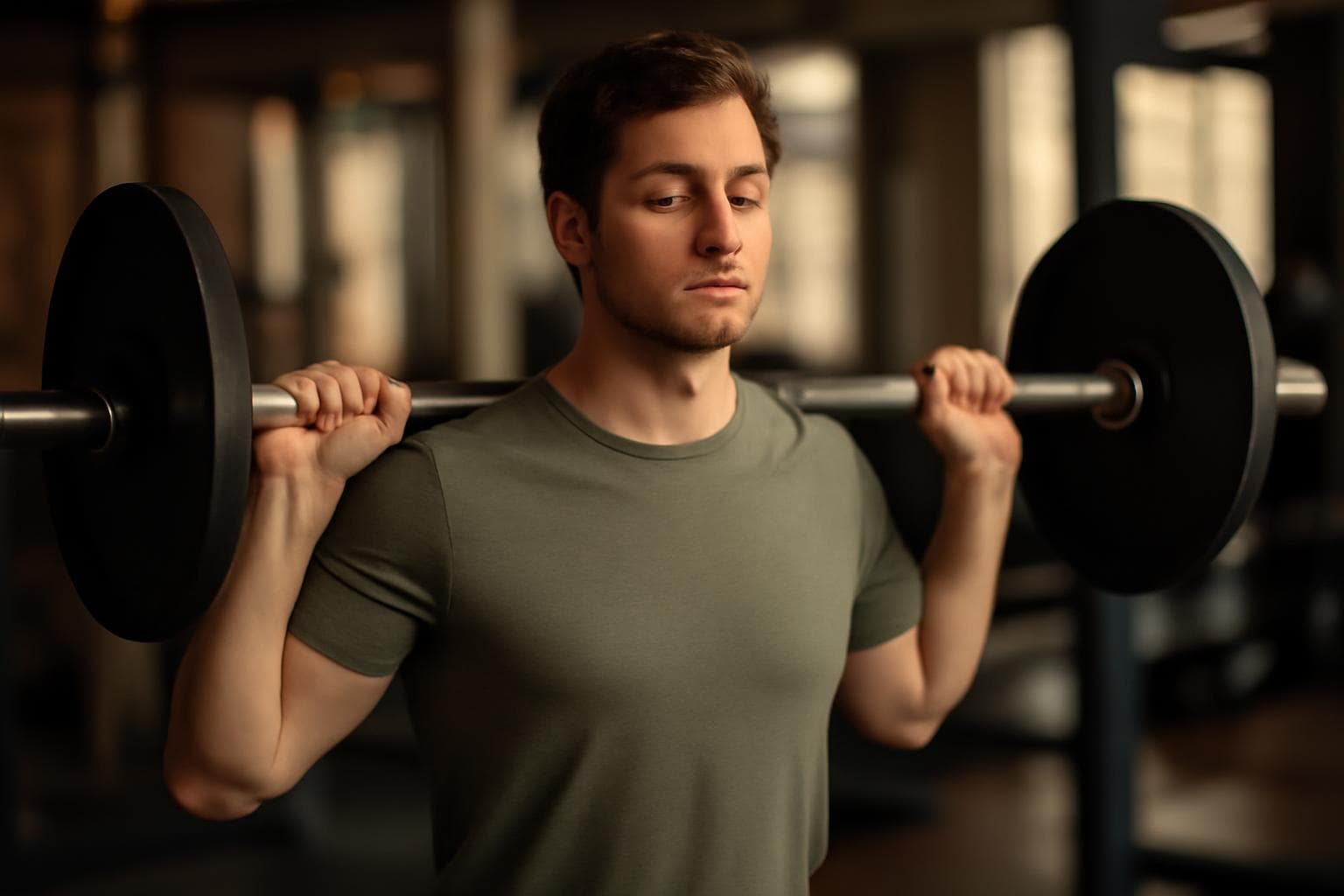
Yes, strength training can significantly reduce anxiety symptoms in both healthy individuals and those with various health conditions. Multiple studies and meta-analyses have demonstrated that engaging in regular resistance exercise leads to notable improvements in anxiety levels, making it a valuable non-pharmacological approach to managing anxiety.
Understanding Anxiety and Its Impact
Anxiety is a common mental health condition characterized by excessive worry, fear, and apprehension. It can manifest physically through symptoms such as increased heart rate, muscle tension, and restlessness. Chronic anxiety can interfere with daily activities, reduce quality of life, and increase the risk of developing other health issues.
Evidence Supporting Strength Training for Anxiety Reduction
A comprehensive meta-analysis published in Sports Medicine examined 16 randomized controlled trials involving 922 participants. The analysis found that resistance exercise training (RET) significantly reduced anxiety symptoms, with a moderate effect size. Notably, the benefits were observed across diverse populations, including both healthy individuals and those with physical or mental illnesses. The study concluded that RET is an effective intervention for reducing anxiety, regardless of factors such as age, sex, or training intensity. ([pubmed.ncbi.nlm.nih.gov](https://pubmed.ncbi.nlm.nih.gov/28819746/?from_pos=1&from_term=strength+training+and+anxiety&utm_source=openai))
Another systematic review published in the International Journal of Environmental Research and Public Health focused on adolescents. The review analyzed nine studies and found that strength training had a large and significant effect on reducing anxiety and depression in this age group. The authors noted that conventional strength training methods appeared to yield better results compared to other modes of strength intervention. ([pubmed.ncbi.nlm.nih.gov](https://pubmed.ncbi.nlm.nih.gov/34574400/?utm_source=openai))
Mechanisms Behind the Anxiolytic Effects of Strength Training
The exact mechanisms through which strength training alleviates anxiety are not fully understood, but several hypotheses have been proposed:
- Neurochemical Changes: Exercise, including strength training, stimulates the release of endorphins and other neurotransmitters that promote feelings of well-being and relaxation.
- Improved Sleep Quality: Regular physical activity can enhance sleep patterns, which in turn can reduce anxiety symptoms.
- Increased Self-Efficacy: Achieving strength training goals can boost confidence and a sense of control, counteracting feelings of anxiety.
- Distraction and Mindfulness: Engaging in exercise provides a distraction from stressors and encourages mindfulness, both of which can reduce anxiety.
Practical Recommendations for Incorporating Strength Training
To effectively utilize strength training as a tool for anxiety reduction, consider the following guidelines:
- Frequency: Aim for at least two to three strength training sessions per week.
- Intensity: Engage in low-to-moderate intensity exercises, as these levels have been associated with the most reliable reductions in anxiety. ([pubmed.ncbi.nlm.nih.gov](https://pubmed.ncbi.nlm.nih.gov/25071694/?utm_source=openai))
- Duration: Each session should last approximately 30 to 60 minutes, focusing on major muscle groups.
- Consistency: Maintain a regular routine over several weeks to observe significant improvements.
- Professional Guidance: Consider working with a certified personal trainer to ensure proper technique and to tailor the program to your individual needs.
Conclusion
Incorporating strength training into your routine can be a powerful strategy for managing anxiety. The evidence supports its efficacy across various populations, making it a versatile and accessible option. As with any exercise program, it's advisable to consult with healthcare professionals before starting, especially if you have existing health conditions.
For those interested in beginning a strength training regimen, exploring our vetted personal trainers can provide personalized guidance to help you achieve both your physical and mental health goals.
References
- ([pubmed.ncbi.nlm.nih.gov](https://pubmed.ncbi.nlm.nih.gov/28819746/?from_pos=1&from_term=strength+training+and+anxiety&utm_source=openai))
- ([pubmed.ncbi.nlm.nih.gov](https://pubmed.ncbi.nlm.nih.gov/34574400/?utm_source=openai))
- ([pubmed.ncbi.nlm.nih.gov](https://pubmed.ncbi.nlm.nih.gov/25071694/?utm_source=openai))