
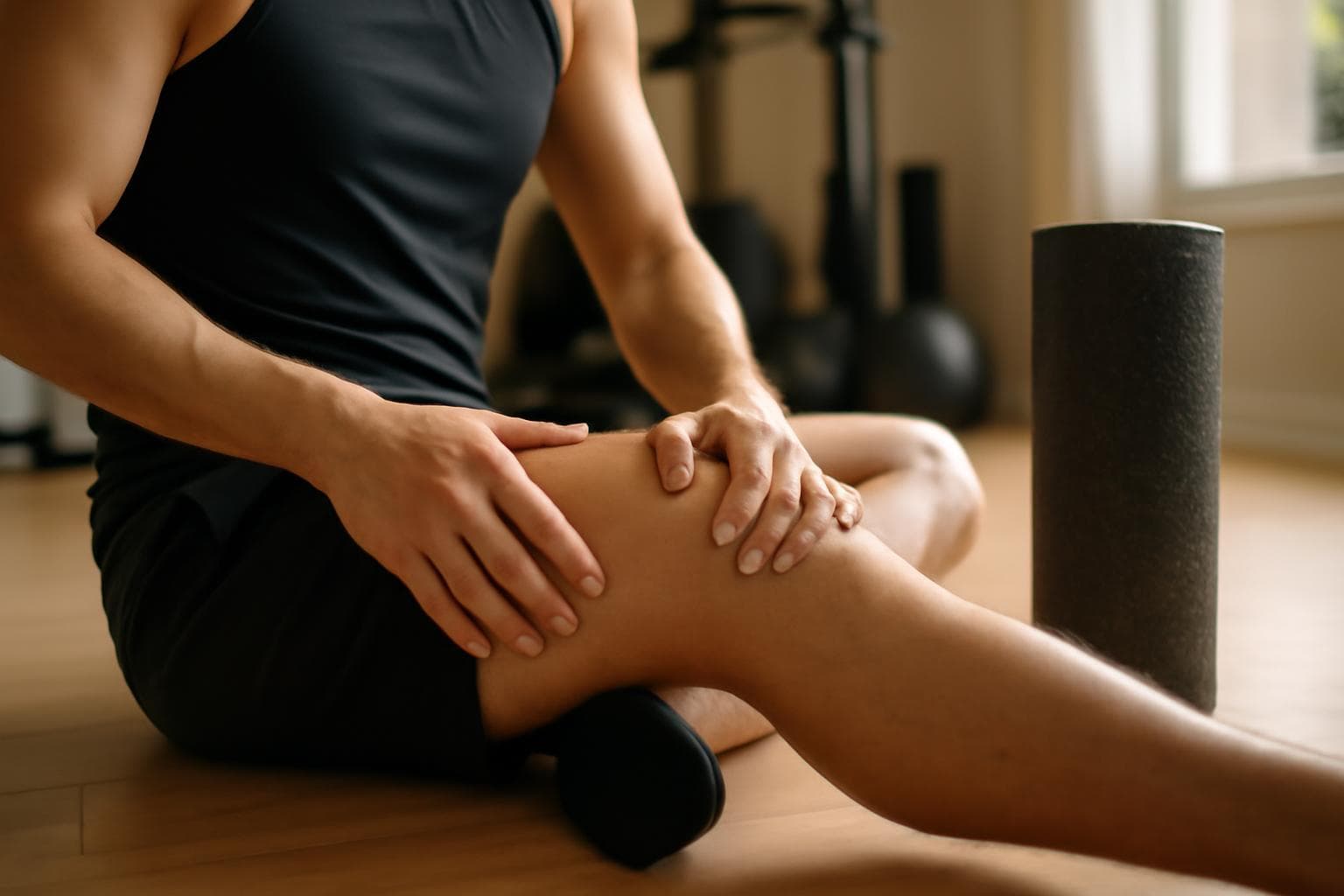
Delayed Onset Muscle Soreness (DOMS) is the muscle discomfort and stiffness that typically arises 12 to 24 hours after engaging in unfamiliar or strenuous physical activity. This soreness results from microscopic damage to muscle fibres during exercise, leading to inflammation and pain. While DOMS is a natural part of the muscle adaptation process, understanding how to manage and prevent it can enhance your recovery and overall performance.
Understanding DOMS: Causes and Symptoms
DOMS occurs when muscles are exposed to stress beyond their usual capacity, especially during eccentric movements—where muscles lengthen under tension, such as the downward phase of a bicep curl or running downhill. This stress causes tiny tears in muscle fibres, triggering an inflammatory response that leads to soreness and stiffness. Symptoms of DOMS include:
- Muscle tenderness and stiffness
- Reduced range of motion
- Swelling in the affected muscles
- Temporary loss of muscle strength
These symptoms typically peak between 24 to 72 hours post-exercise and gradually subside thereafter. ([healthline.com](https://www.healthline.com/health/doms?utm_source=openai))
Effective Strategies to Alleviate DOMS
While DOMS is self-limiting and usually resolves on its own, several strategies can help alleviate discomfort:
1. Active Recovery
Engaging in low-intensity activities, such as walking or gentle cycling, can promote blood flow to sore muscles, facilitating nutrient delivery and waste removal. This approach may help reduce muscle soreness and stiffness. ([my.clevelandclinic.org](https://my.clevelandclinic.org/health/diseases/delayed-onset-muscle-soreness?utm_source=openai))
2. Massage and Foam Rolling
Massage therapy and self-myofascial release techniques, like foam rolling, can improve circulation and reduce muscle tightness. Applying gentle pressure to sore areas may alleviate discomfort and enhance flexibility. ([physio-pedia.com](https://www.physio-pedia.com/Delayed_Onset_Muscle_Soreness?utm_source=openai))
3. Heat and Cold Therapy
Applying heat can increase blood flow and relax tight muscles, while cold therapy can reduce inflammation and numb pain. Alternating between heat and cold treatments may provide relief from DOMS symptoms. ([my.clevelandclinic.org](https://my.clevelandclinic.org/health/diseases/delayed-onset-muscle-soreness?utm_source=openai))
4. Adequate Hydration and Nutrition
Staying hydrated supports muscle function and recovery. Consuming a balanced diet rich in protein provides the necessary amino acids for muscle repair. Additionally, nutrients like magnesium and omega-3 fatty acids may have anti-inflammatory effects that aid in reducing muscle soreness. ([physio-pedia.com](https://www.physio-pedia.com/Delayed_Onset_Muscle_Soreness?utm_source=openai))
5. Over-the-Counter Pain Relief
Nonsteroidal anti-inflammatory drugs (NSAIDs) can reduce inflammation and alleviate pain. However, frequent use may interfere with muscle adaptation and carry potential side effects. It's advisable to use them sparingly and consult a healthcare professional if needed. ([healthline.com](https://www.healthline.com/health/fitness-exercise/23-things-to-know-about-acute-and-delayed-onset-muscle-soreness?utm_source=openai))
Preventing DOMS: Proactive Measures
While it's challenging to eliminate DOMS entirely, certain practices can reduce its severity and frequency:
1. Gradual Progression
Increase exercise intensity and duration gradually to allow muscles to adapt, minimizing the extent of muscle damage and subsequent soreness. ([medicalnewstoday.com](https://www.medicalnewstoday.com/articles/delayed-onset-muscle-soreness?utm_source=openai))
2. Proper Warm-Up and Cool-Down
Incorporate dynamic warm-up exercises to prepare muscles for activity and cool-down routines to aid in recovery. These practices can enhance performance and reduce the risk of injury. ([healthanswers.pfizer.com](https://healthanswers.pfizer.com/physical-activity/routines/sore-muscles-after-exercise?utm_source=openai))
3. Consistent Training
Regular exercise conditions muscles, making them more resilient to stress and less susceptible to severe DOMS. ([medicalnewstoday.com](https://www.medicalnewstoday.com/articles/delayed-onset-muscle-soreness?utm_source=openai))
4. Compression Garments
Wearing compression clothing during and after exercise may reduce muscle oscillation and inflammation, potentially decreasing the severity of DOMS. ([physio-pedia.com](https://www.physio-pedia.com/Delayed_Onset_Muscle_Soreness?utm_source=openai))
When to Seek Medical Attention
While DOMS is typically harmless, certain signs may indicate a more serious condition requiring medical evaluation:
- Severe pain that doesn't improve with rest
- Significant swelling in the affected muscles
- Dark-coloured urine, which could indicate muscle breakdown
- Persistent weakness or loss of function
If you experience any of these symptoms, consult a healthcare professional promptly. ([my.clevelandclinic.org](https://my.clevelandclinic.org/health/diseases/delayed-onset-muscle-soreness?utm_source=openai))
Conclusion
DOMS is a common and natural response to new or intense physical activity. By implementing effective relief strategies and preventive measures, you can manage muscle soreness and support your fitness journey. Remember to listen to your body, progress gradually, and prioritize recovery to maintain optimal performance and well-being.
For personalized guidance on exercise routines and recovery strategies, consider consulting with a qualified personal trainer. Explore our network of vetted professionals to find the right fit for your fitness goals.