
Optimising post-exercise recovery is essential for muscle repair, performance enhancement, and injury prevention. Key evidence-based strategies include prioritising quality sleep, maintaining proper nutrition and hydration, engaging in active recovery, and incorporating massage therapy. Implementing these methods can significantly improve recovery outcomes and overall fitness progress.
Why Is Post-Exercise Recovery Important?
Effective recovery allows the body to repair muscle tissues, replenish energy stores, and adapt to training stimuli. Neglecting recovery can lead to overtraining, increased injury risk, and diminished performance.
Prioritise Quality Sleep
Sleep is a cornerstone of recovery, facilitating muscle repair, hormonal balance, and cognitive function. Adults should aim for 7–9 hours of quality sleep per night. Consistent sleep schedules, a relaxing bedtime routine, and a conducive sleep environment can enhance sleep quality. Dr. Shona Halson, Professor of Exercise Science, emphasises that sleep supports everything from muscle repair to immune function.
Maintain Proper Nutrition
Nutrition plays a pivotal role in recovery. Consuming carbohydrates post-exercise replenishes glycogen stores, while protein intake supports muscle repair. A balanced post-workout meal should include both macronutrients. For instance, a 140-pound individual should aim for 70 grams of carbohydrates and about 18 grams of protein after a workout. Health.com suggests pairing protein and carbs in a 4:1 ratio to effectively replenish energy levels and repair muscle damage.
Stay Hydrated
Hydration is crucial for recovery, aiding in nutrient transport and temperature regulation. It's recommended to drink about 2–4 millilitres of fluids per pound of body weight between two and four hours before exercise. Post-exercise, rehydrate by drinking 2–3 cups of water for every pound lost during the workout. The Mayo Clinic advises that proper hydration before, during, and after exercise is essential for optimal recovery.
Engage in Active Recovery
Light physical activity, such as walking or gentle cycling, can enhance blood flow, facilitating nutrient delivery and waste removal from muscles. Engaging in low-intensity aerobic activity for 10–20 minutes after strength training can alleviate muscle soreness and stiffness. Personal trainer and dietitian Jenna Braddock recommends incorporating light exercises like walking or jogging to improve circulation and aid recovery.
Incorporate Massage Therapy
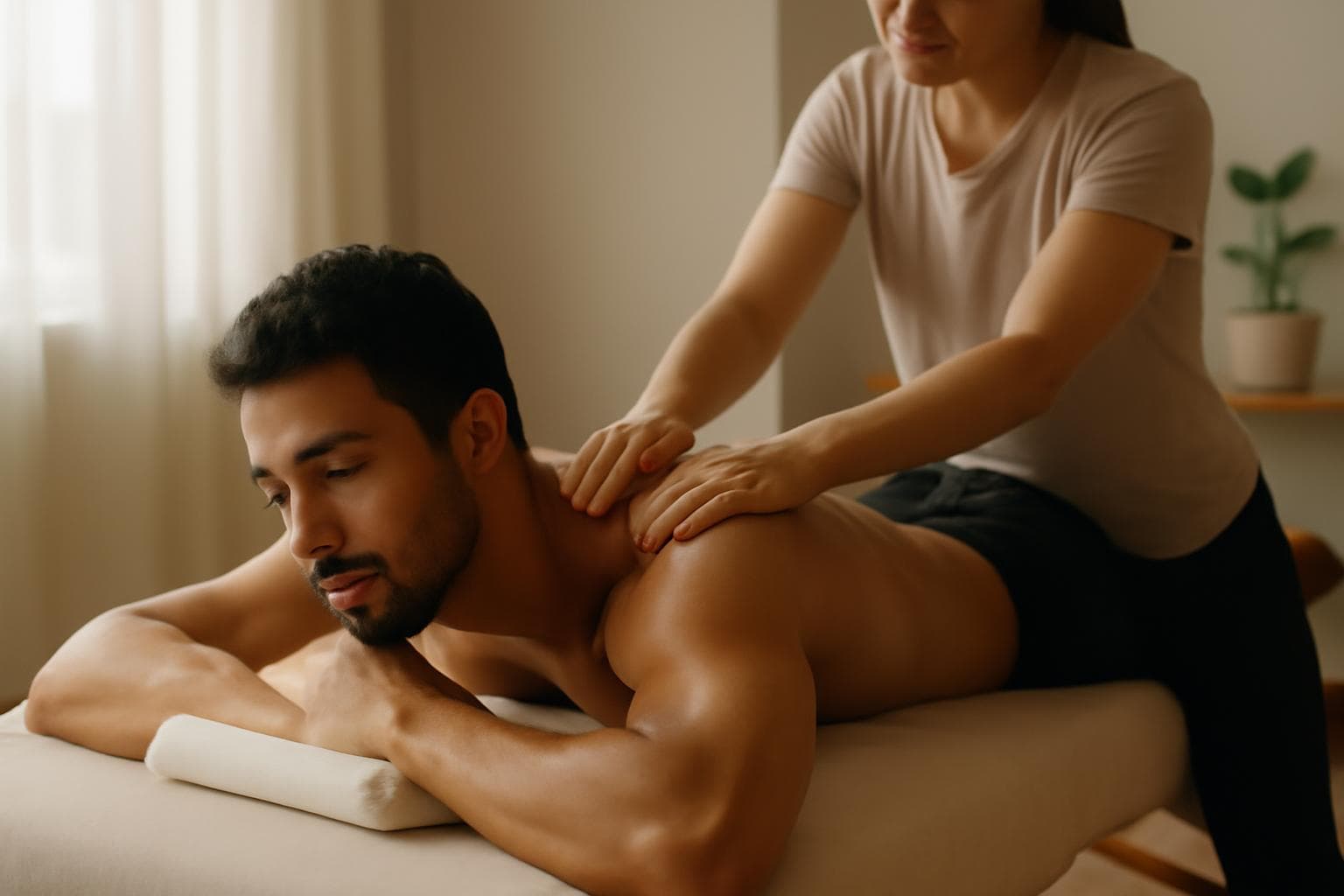
Massage can reduce muscle soreness, pain, and inflammation post-exercise. A meta-analysis found that massage was the most effective technique for alleviating delayed-onset muscle soreness and fatigue. Sessions lasting at least 20–30 minutes, focusing on the exercised muscles, are recommended. The Mayo Clinic highlights that massage therapy can also reduce overall stress and improve relaxation.
Additional Recovery Techniques
Other methods, such as cold-water immersion and foam rolling, have been explored for their recovery benefits. However, evidence supporting their effectiveness is mixed. For instance, recent research suggests that heat therapy may be more beneficial than cold therapy for muscle regeneration. Dr. Freya Bayne notes that heat therapy showed more promise in accelerating recovery compared to cold water immersion.
Conclusion
Implementing evidence-based recovery strategies, including quality sleep, proper nutrition and hydration, active recovery, and massage therapy, can significantly enhance post-exercise recovery. Tailoring these methods to individual needs and preferences will support optimal performance and overall well-being.
For personalised guidance on recovery strategies, consider consulting with a qualified fitness professional. Browse our directory of vetted personal trainers to find the right fit for your fitness journey.