
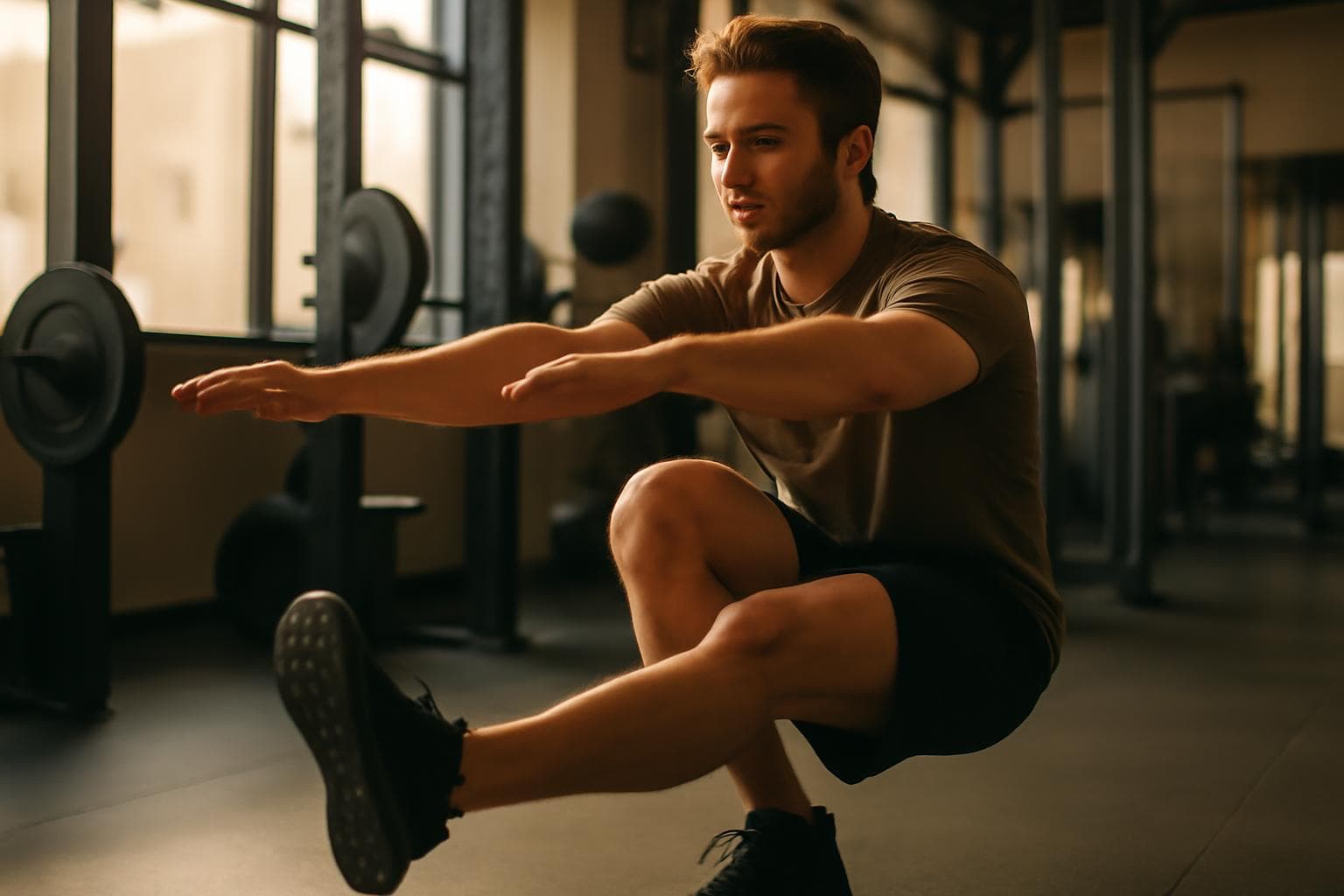
Unilateral exercises, which involve training one limb at a time, offer significant advantages in strength training by correcting muscle imbalances, enhancing core stability, and improving functional performance. Incorporating these movements into your routine can lead to more balanced strength development and reduced injury risk.
What Are Unilateral Exercises?
Unilateral exercises focus on one side of the body at a time. Examples include single-leg squats, lunges, and single-arm rows. In contrast, bilateral exercises engage both limbs simultaneously, such as traditional squats or bench presses.
Key Benefits of Unilateral Exercises
1. Correction of Muscle Imbalances
Training one limb independently helps identify and address strength discrepancies between sides. This targeted approach ensures balanced muscle development and reduces the risk of overuse injuries. For instance, performing single-leg squats can reveal and correct differences in leg strength, promoting symmetry.
2. Enhanced Core Stability
Unilateral movements require greater engagement of core muscles to maintain balance and control. This increased activation strengthens the core, leading to improved posture and reduced lower back discomfort. Exercises like single-arm presses challenge the core to stabilize the body against uneven loads.
3. Improved Functional Performance
Many daily activities and sports involve unilateral movements, such as walking, running, and throwing. Training with unilateral exercises enhances coordination and balance, translating to better performance in these real-world scenarios. Incorporating movements like lunges can improve agility and stability.
4. Reduced Spinal Load
Unilateral exercises often allow for effective muscle engagement with lighter weights, decreasing the stress on the spine compared to heavy bilateral lifts. This approach is particularly beneficial for individuals with back concerns or those seeking to minimize spinal compression.
5. Rehabilitation and Injury Prevention
Unilateral training is valuable in rehabilitation settings, as it enables focused strengthening of an injured limb without overloading the healthy side. Additionally, by addressing muscle imbalances and enhancing stability, these exercises contribute to injury prevention.
Incorporating Unilateral Exercises into Your Routine
To effectively integrate unilateral exercises:
- Start with the weaker side: Begin exercises on your less dominant side to ensure balanced development.
- Maintain proper form: Focus on controlled movements to maximize benefits and prevent injuries.
- Combine with bilateral exercises: Use unilateral movements alongside traditional exercises for a comprehensive training program.
Sample Unilateral Exercises
| Exercise | Primary Muscles Targeted |
|---|---|
| Single-Leg Squat | Quadriceps, Glutes |
| Single-Arm Row | Back, Biceps |
| Lunge | Quadriceps, Hamstrings, Glutes |
| Single-Arm Shoulder Press | Shoulders, Triceps |
References
- The Benefits of Unilateral Training
- 5 Unilateral Exercises: Benefits & Expert Tips
- Unilateral Training: Why Single-Leg and Single-Arm Work Belongs in Your Program
Incorporating unilateral exercises into your strength training regimen can lead to more balanced muscle development, enhanced core stability, and improved functional performance. For personalized guidance on integrating these movements, consider consulting with a qualified personal trainer. Explore our selection of vetted trainers at Fitsylvania.