
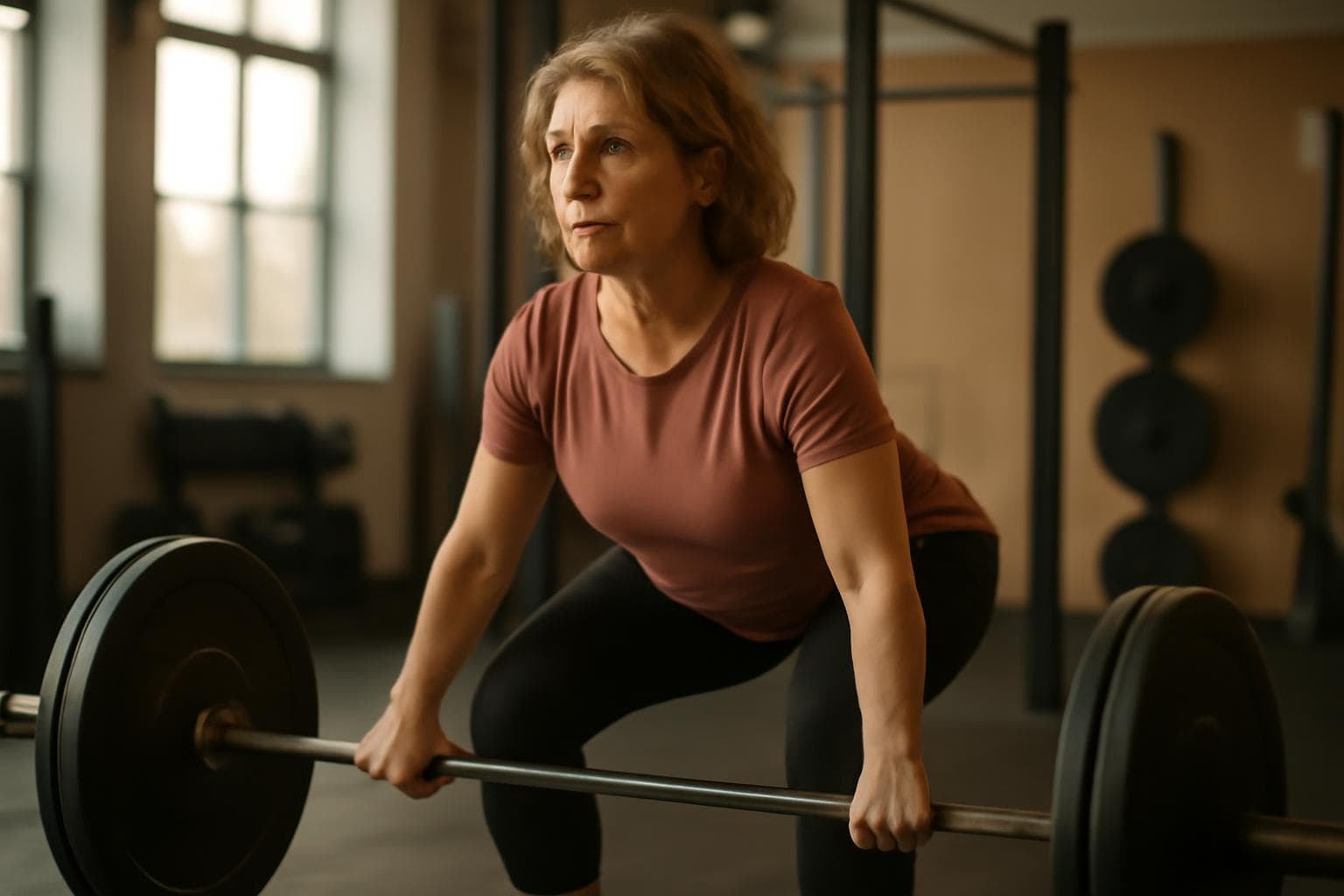
Yes, weightlifting can increase bone mineral density (BMD), particularly in areas like the lumbar spine and femoral neck. By applying mechanical stress to bones, weightlifting stimulates bone formation, making it an effective strategy for enhancing skeletal health and reducing the risk of osteoporosis.
How Does Weightlifting Affect Bone Density?
Weightlifting, a form of resistance training, exerts mechanical stress on bones. This stress stimulates osteoblast activity, leading to increased bone formation and, consequently, higher BMD. The principle of Wolff's law supports this, stating that bones adapt to the loads under which they are placed.
Evidence Supporting Weightlifting's Impact on Bone Density
Several studies have demonstrated the positive effects of weightlifting on BMD:
- A study involving premenopausal women aged 40-50 found that six months of high-intensity resistance training led to a 1.03% increase in lumbar spine BMD, while the control group experienced a 0.36% decrease. ([pubmed.ncbi.nlm.nih.gov](https://pubmed.ncbi.nlm.nih.gov/9509822/?utm_source=openai))
- Research on adolescents revealed that elite weightlifters had significantly higher BMD at various sites compared to non-elite weightlifters and untrained individuals. ([sciencedirect.com](https://www.sciencedirect.com/science/article/abs/pii/S109469502200066X?utm_source=openai))
- A systematic review indicated that both high-load (≥70% of one-repetition maximum) and low-load (<70% of one-repetition maximum) resistance training produced similar effects on femoral neck and lumbar spine BMD in middle-aged and older adults. ([pubmed.ncbi.nlm.nih.gov](https://pubmed.ncbi.nlm.nih.gov/32454079/?utm_source=openai))
Weightlifting's Effectiveness Across Different Demographics
Postmenopausal Women
Postmenopausal women are at increased risk for osteoporosis due to hormonal changes. A systematic review and meta-analysis found that resistance training significantly improved BMD in this demographic, particularly when performed at higher intensities and frequencies. ([link.springer.com](https://link.springer.com/article/10.1186/s13018-025-05890-1?utm_source=openai))
Older Adults
In older adults, high-velocity resistance training (HVRT) has been shown to increase BMD at the lumbar spine, femoral neck, and total hip. A systematic review reported that performing HVRT at least twice per week yielded the most significant skeletal benefits. ([pubmed.ncbi.nlm.nih.gov](https://pubmed.ncbi.nlm.nih.gov/38070720/?utm_source=openai))
Practical Guidelines for Incorporating Weightlifting to Improve Bone Density
To effectively enhance BMD through weightlifting, consider the following guidelines:
- Exercise Selection: Focus on compound movements such as squats, deadlifts, and overhead presses that target major muscle groups and apply stress to bones.
- Intensity: Aim for moderate to high intensity, lifting weights at 70-85% of your one-repetition maximum.
- Frequency: Engage in weightlifting sessions at least two to three times per week.
- Progression: Gradually increase the weight and intensity to continually challenge your bones and muscles.
- Safety: Ensure proper form and technique to minimize the risk of injury.
Conclusion
Weightlifting is a proven and effective method for increasing bone mineral density across various populations. By incorporating regular, appropriately intense resistance training into your fitness routine, you can enhance skeletal health and reduce the risk of osteoporosis. As always, consult with a healthcare professional or certified fitness trainer before beginning any new exercise program.
For personalized guidance on incorporating weightlifting into your routine, consider connecting with a certified personal trainer through Fitsylvania. Explore our range of fitness courses and find the right trainer to help you achieve your health goals.
References
- Effects of high-intensity resistance exercise on bone mineral density and muscle strength of 40-50-year-old women.
- Effects of Different Levels of Weightlifting Training on Bone Mineral Density in a Group of Adolescents.
- High and low-load resistance training produce similar effects on bone mineral density of middle-aged and older people: A systematic review with meta-analysis of randomized clinical trials.
- Optimal resistance training parameters for improving bone mineral density in postmenopausal women: a systematic review and meta-analysis.
- The effects of high velocity resistance training on bone mineral density in older adults: A systematic review.