
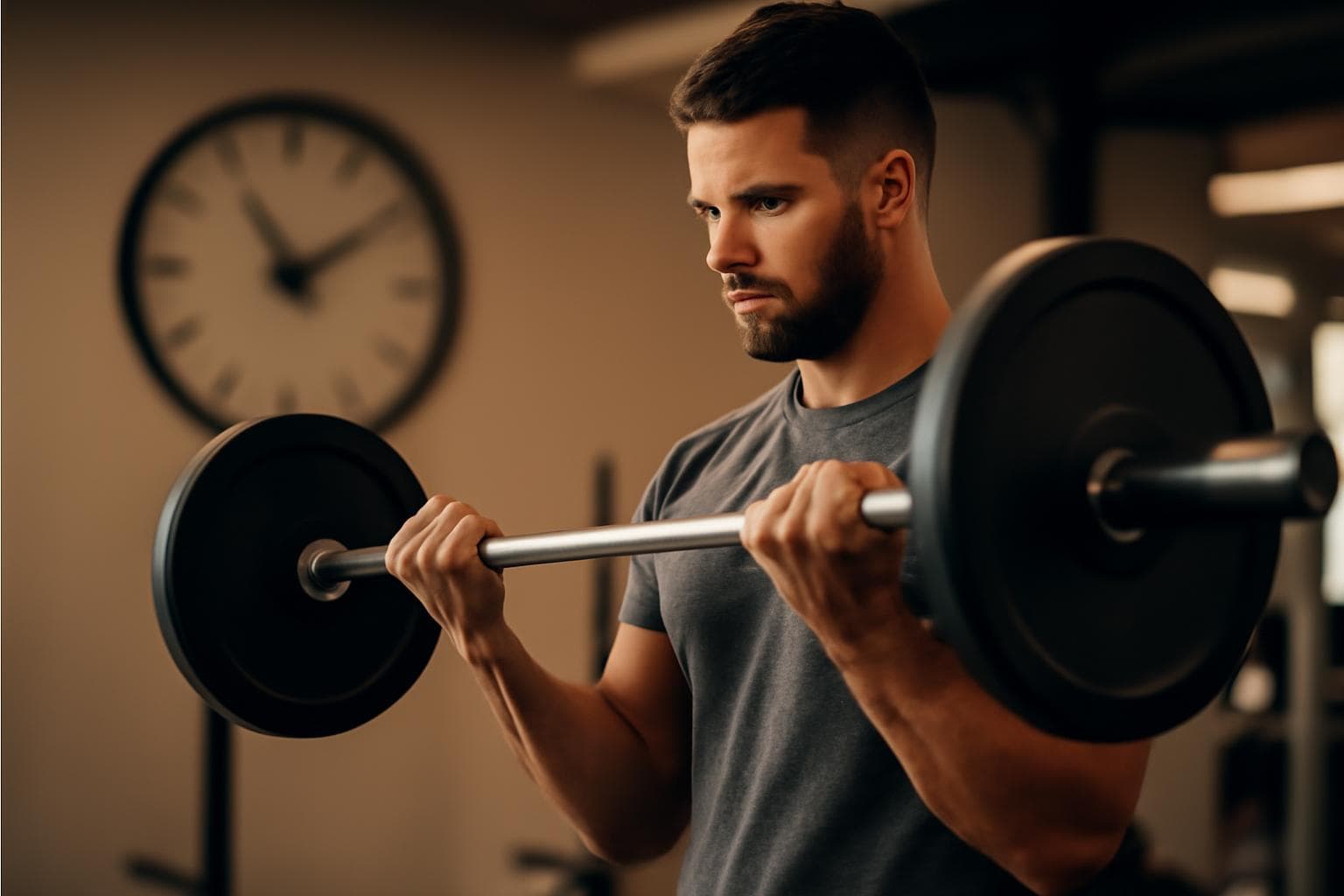
Yes, it is possible to build muscle while practicing intermittent fasting (IF). By combining a well-structured IF regimen with resistance training and ensuring adequate protein intake, individuals can achieve muscle hypertrophy. Key factors include selecting an appropriate fasting protocol, timing workouts strategically, and consuming sufficient calories and protein during feeding periods.
Understanding Intermittent Fasting
Intermittent fasting involves alternating periods of eating and fasting. Common methods include the 16:8 protocol (16 hours of fasting followed by an 8-hour eating window) and the 5:2 approach (normal eating for five days and calorie restriction for two non-consecutive days). These patterns aim to improve metabolic health and facilitate fat loss.
Muscle Gain Fundamentals
Muscle growth, or hypertrophy, requires:
- Progressive Resistance Training: Gradually increasing the intensity of workouts to challenge muscles.
- Adequate Protein Intake: Consuming sufficient protein to support muscle repair and growth.
- Caloric Surplus: Eating more calories than expended to provide energy for muscle synthesis.
Integrating Intermittent Fasting with Muscle Building
Combining IF with muscle-building goals requires careful planning:
1. Selecting the Right Fasting Protocol
The 16:8 method is often preferred for muscle gain, as it provides an 8-hour window to consume necessary nutrients. Longer fasting periods may make it challenging to meet caloric and protein needs.
2. Timing Workouts Strategically
Exercising towards the end of the fasting period can be effective, allowing for nutrient intake during the post-workout feeding window, which is crucial for muscle recovery and growth. ([muscleresearch.net](https://www.muscleresearch.net/intermittent-fasting-muscle-gain/?utm_source=openai))
3. Ensuring Sufficient Caloric and Protein Intake
During the eating window, focus on:
- Protein: Aim for 1.6 to 2.2 grams per kilogram of body weight daily. ([muscleresearch.net](https://www.muscleresearch.net/intermittent-fasting-muscle-gain/?utm_source=openai))
- Calories: Maintain a slight caloric surplus to fuel muscle growth.
4. Meal Frequency and Composition
Distribute protein intake across 3–4 meals within the eating window to optimize muscle protein synthesis. Include complex carbohydrates and healthy fats to support energy needs.
Potential Challenges and Considerations
While IF can be compatible with muscle gain, challenges include:
- Meeting Nutritional Needs: Compressed eating windows may make it difficult to consume sufficient calories and nutrients.
- Training Performance: Exercising in a fasted state may affect performance; adjusting workout timing can help.
- Individual Variability: Responses to IF vary; monitoring progress and adjusting the approach is essential.
Conclusion
Building muscle while practicing intermittent fasting is achievable with proper planning. By selecting an appropriate fasting protocol, timing workouts effectively, and ensuring adequate caloric and protein intake during feeding periods, individuals can successfully combine IF with muscle-building objectives.
For personalized guidance, consider consulting with a fitness professional or nutritionist to tailor an approach that aligns with your specific goals and lifestyle.
References
- Does Intermittent Fasting Make You Gain or Lose Muscle?
- Does intermittent fasting cause muscle loss?
- Intermittent Fasting and Muscle Gain: The Research
For more insights on optimizing your fitness routine, explore our blog for evidence-based articles and resources.