
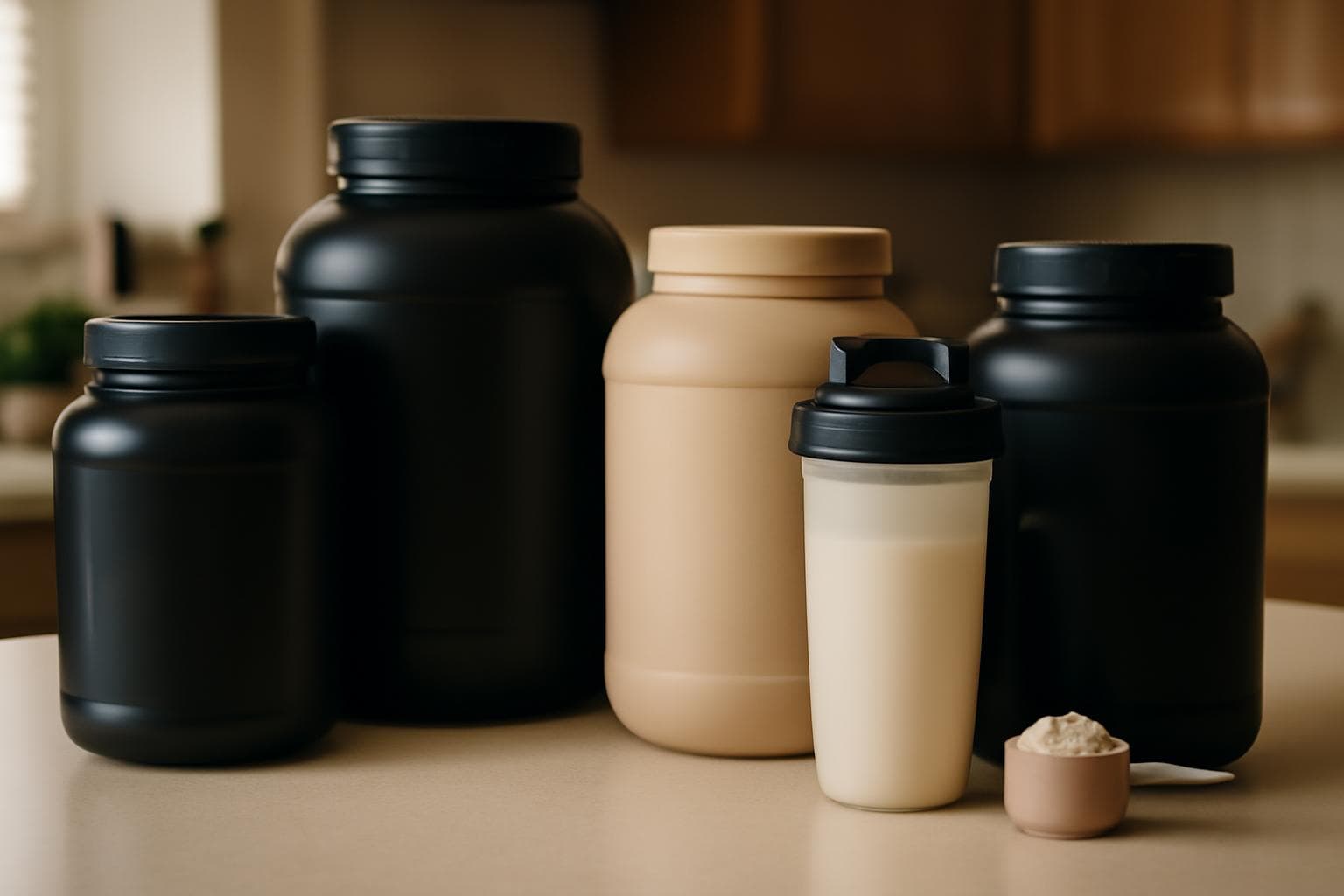
Choosing the right protein powder is essential for supporting muscle growth and achieving your fitness goals. The optimal choice depends on factors such as protein quality, digestibility, dietary preferences, and individual health considerations.
Understanding Protein Needs for Muscle Gain
To effectively build muscle, it's important to meet your daily protein requirements. The International Society of Sports Nutrition recommends a daily intake of 1.4 to 2.0 grams of protein per kilogram of body weight for individuals engaged in regular resistance training. For example, a person weighing 70 kg should aim for 98 to 140 grams of protein daily. Protein powders can be a convenient way to help meet these needs, especially when whole food sources are insufficient.
Types of Protein Powders
Various protein powders are available, each with unique characteristics:
Whey Protein
Derived from milk, whey protein is a complete protein containing all nine essential amino acids. It's quickly digested and rich in leucine, a branched-chain amino acid crucial for muscle protein synthesis. Whey protein comes in two main forms:
- Whey Concentrate: Contains 70–80% protein, with some lactose and fat. It's cost-effective but may not be suitable for those with lactose intolerance.
- Whey Isolate: Processed to remove most fat and lactose, containing at least 90% protein. It's a better option for those sensitive to lactose.
Research indicates that whey protein supplementation, combined with resistance training, can enhance muscle mass and strength gains.
Casein Protein
Also derived from milk, casein protein digests more slowly than whey, providing a gradual release of amino acids. This makes it suitable for consumption before periods of fasting, such as before bedtime, to support muscle protein synthesis during sleep.
Plant-Based Proteins
For those following a vegetarian or vegan diet, plant-based protein powders are available:
- Soy Protein: A complete protein with a good amino acid profile. Studies show that soy protein can support muscle growth similarly to animal-based proteins.
- Pea Protein: Rich in branched-chain amino acids and easily digestible. When combined with rice protein, it provides a complete amino acid profile.
- Rice Protein: Typically low in lysine but can be combined with other plant proteins to achieve a complete profile.
Plant-based proteins can be effective for muscle gain when consumed in adequate amounts and combined appropriately to ensure all essential amino acids are present.
Factors to Consider When Choosing a Protein Powder
Protein Quality and Amino Acid Profile
Opt for protein powders that provide all essential amino acids, particularly leucine, which plays a key role in muscle protein synthesis. Whey protein is notably high in leucine, but certain plant-based blends can also meet these needs when formulated correctly.
Digestibility and Absorption
Consider how well you digest different protein types. Whey isolate is typically easier on the stomach for those with lactose intolerance, while plant-based proteins may be preferable for individuals with dairy sensitivities.
Dietary Restrictions and Preferences
Your dietary choices will influence your protein powder selection. Vegans and vegetarians should look for plant-based options, ensuring they provide a complete amino acid profile.
Third-Party Testing and Quality Assurance
Choose protein powders that have undergone third-party testing to verify their purity and label accuracy. Certifications such as NSF Certified for Sport or Informed Choice indicate that the product has been tested for contaminants and meets quality standards.
Additional Ingredients
Be mindful of added sugars, artificial sweeteners, and other additives. Some protein powders include beneficial ingredients like digestive enzymes or vitamins, but it's important to read labels carefully to ensure they align with your health goals.
Timing and Dosage
Consuming protein shortly after exercise can enhance muscle recovery and growth. Aim for 20–40 grams of protein within two hours post-workout to maximize muscle protein synthesis. However, total daily protein intake is more critical than specific timing, so focus on meeting your overall protein needs throughout the day.
Conclusion
Selecting the right protein powder involves considering your individual dietary needs, health goals, and personal preferences. By understanding the different types of protein powders and evaluating factors such as protein quality, digestibility, and third-party testing, you can make an informed choice that supports your muscle gain objectives.
For personalized guidance, consider consulting with a registered dietitian or a certified personal trainer who can help tailor your nutrition and exercise plan to your specific needs.
References
- The 10 Best Protein Powders to Build Muscle
- Protein Powder: Is It Good for You?
- Is protein powder good for you?
- The scoop on protein powder
For more insights on nutrition and fitness, explore our blog or browse our courses to enhance your health journey.