
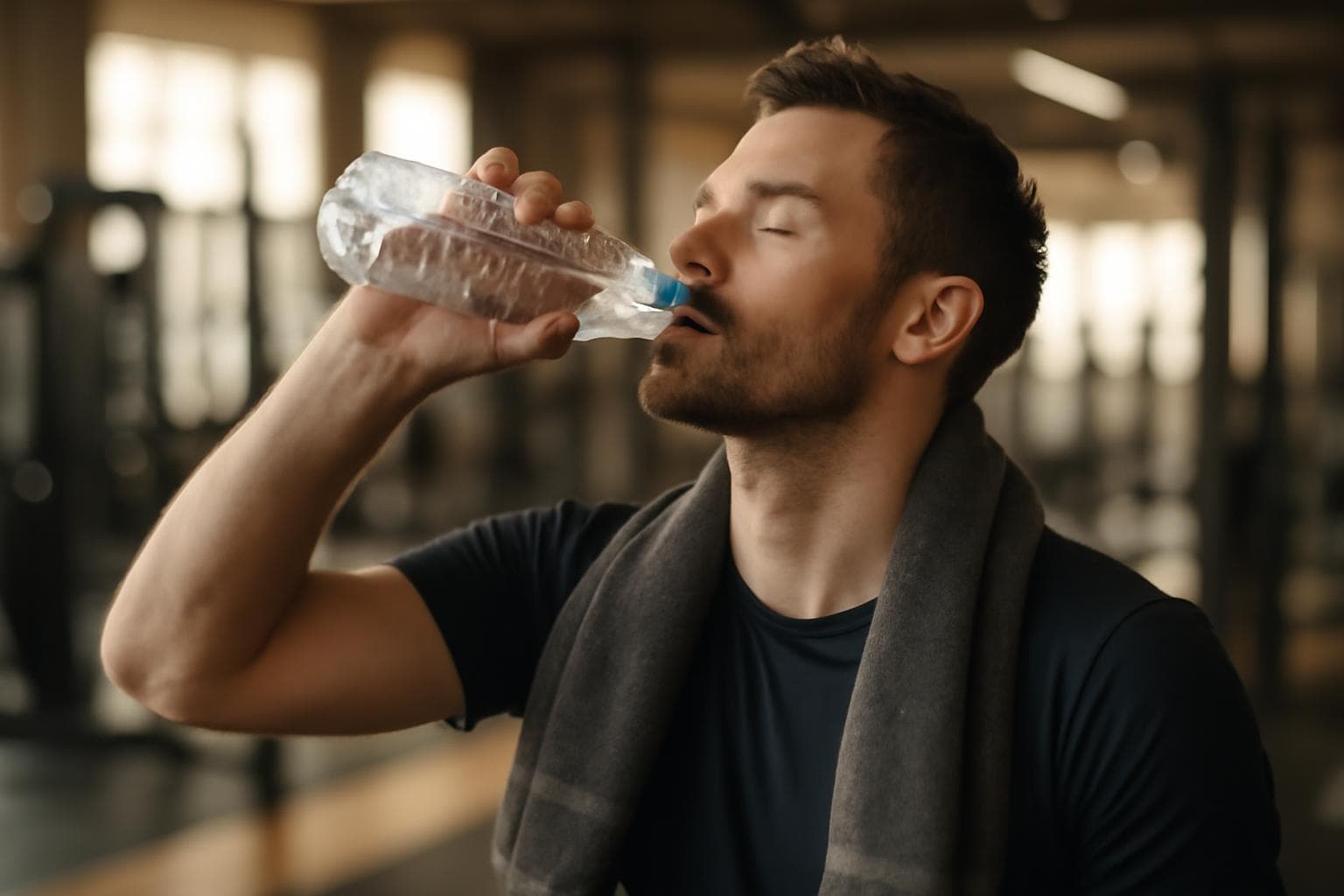
Maintaining proper hydration is essential for optimal exercise performance. Even mild dehydration can impair endurance, strength, and cognitive function during physical activity. Ensuring adequate fluid intake before, during, and after exercise helps sustain performance and reduces the risk of heat-related illnesses.
How Does Hydration Affect Endurance Performance?
Hydration status significantly influences endurance performance. Dehydration, defined as a body mass loss of 2% or more due to fluid loss, can lead to increased cardiovascular strain, elevated body temperature, and a higher perception of effort, all of which negatively impact endurance activities.
A systematic review highlighted that hypohydration of ≥2% body mass impairs endurance performance across various exercise modalities and durations. The negative effects are more pronounced in hotter conditions, where dehydration exacerbates cardiovascular strain and thermoregulatory challenges. [Source]
What Is the Impact of Hydration on Strength and Power?
While the effects of dehydration on endurance are well-documented, its impact on strength and power is less clear. Some studies suggest that dehydration levels of 3-4% body mass loss can impair muscular strength and power output. However, the evidence is mixed, with some research indicating minimal effects on short-duration, high-intensity activities.
A review examining the influence of hydration on anaerobic performance found that a critical water deficit of approximately 3-4% body mass affects anaerobic performance, though the impact varies depending on the exercise mode. [Source]
Does Dehydration Affect Cognitive Function During Exercise?
Hydration status also affects cognitive function, which is crucial for decision-making and coordination during exercise. Dehydration can impair attention, memory, and motor skills, potentially increasing the risk of errors and injuries.
Research indicates that hypohydration can deteriorate cognitive function during exercise, emphasizing the importance of maintaining fluid balance to support both physical and mental performance. [Source]
How Can You Maintain Optimal Hydration for Exercise?
To maintain optimal hydration, consider the following strategies:
- Pre-Exercise Hydration: Consume approximately 500 mL of fluid 1-2 hours before exercise to ensure adequate hydration levels.
- During Exercise: Drink fluids at regular intervals, aiming for 600-1200 mL per hour during prolonged activities. Including electrolytes and carbohydrates in the beverage can enhance fluid retention and provide energy.
- Post-Exercise Rehydration: Replace fluid losses by consuming 1.5 times the weight lost during exercise. Including sodium in post-exercise fluids can aid in fluid retention and recovery.
It's important to tailor hydration strategies to individual needs, considering factors such as exercise intensity, duration, environmental conditions, and personal sweat rates.
Are Sports Drinks More Effective Than Water for Hydration?
Sports drinks containing carbohydrates and electrolytes can be more effective than water alone in maintaining hydration during prolonged exercise. The inclusion of sodium helps retain fluid, while carbohydrates provide energy, potentially enhancing performance.
A systematic meta-analysis found that hypotonic carbohydrate-electrolyte drinks ingested continuously during exercise provide the greatest benefit to hydration compared to other beverages. [Source]
Conclusion
Proper hydration is a cornerstone of optimal exercise performance. Dehydration can impair endurance, strength, and cognitive function, increasing the risk of heat-related illnesses and injuries. By implementing effective hydration strategies tailored to individual needs and exercise conditions, athletes and fitness enthusiasts can enhance performance and overall well-being.
For personalized guidance on hydration and exercise performance, consider consulting with a qualified personal trainer or fitness coach. Explore our network of vetted professionals to find the right fit for your fitness goals.
References
- Does Hypohydration Really Impair Endurance Performance? Methodological Considerations for Interpreting Hydration Research
- The Influence of Hydration on Anaerobic Performance: A Review
- Compositional Aspects of Beverages Designed to Promote Hydration Before, During, and After Exercise: Concepts Revisited
- The Hydrating Effects of Hypertonic, Isotonic and Hypotonic Sports Drinks and Waters on Central Hydration During Continuous Exercise: A Systematic Meta-Analysis and Perspective