
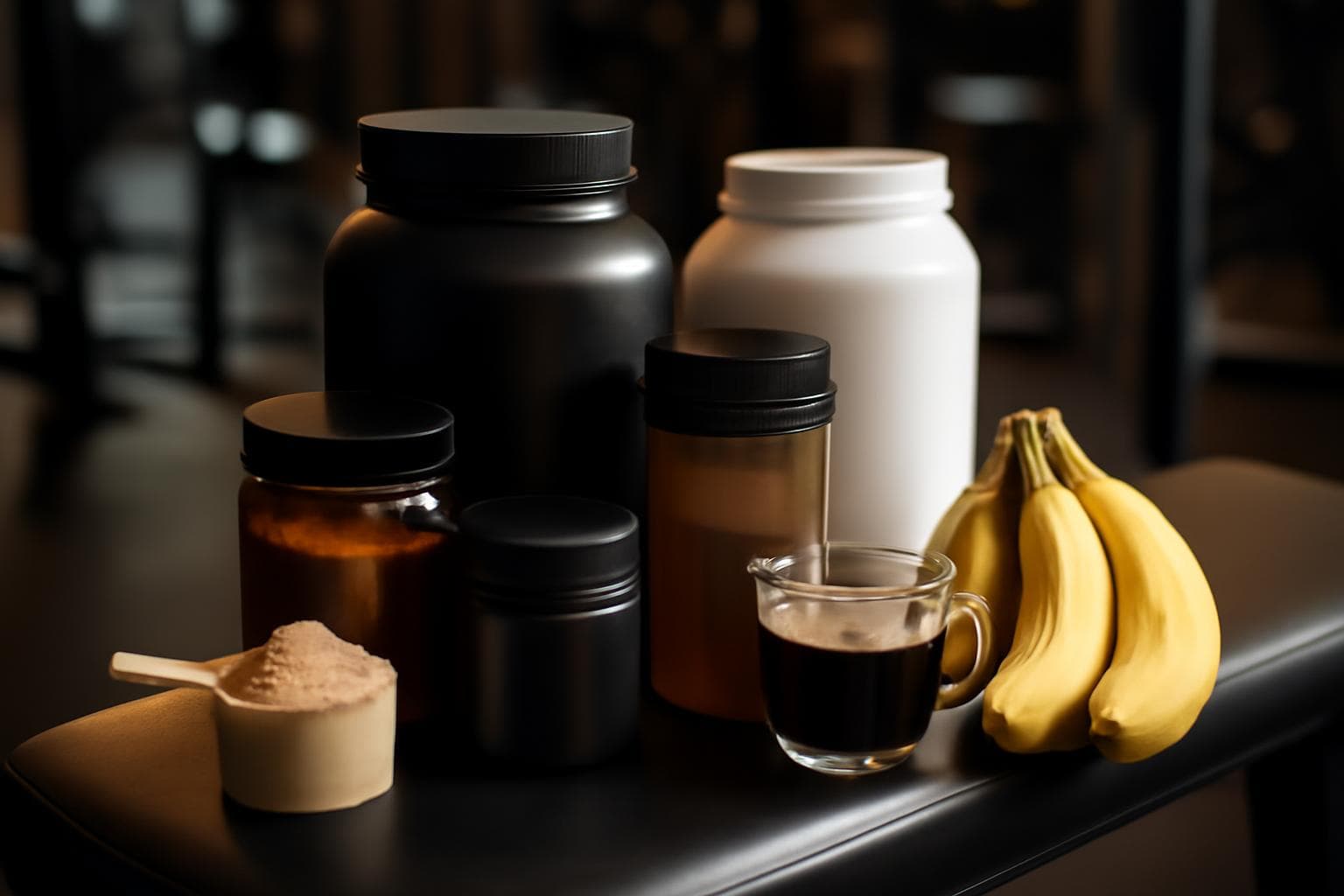
Pre-workout supplements are widely used to enhance energy levels and exercise performance. While some ingredients may offer benefits, the overall effectiveness and safety of these products depend on their specific components and individual responses.
What Are Pre-Workout Supplements?
Pre-workout supplements are multi-ingredient dietary formulas designed to boost energy and athletic performance. Typically available in powdered form, they are mixed with water and consumed before exercise. Common ingredients include caffeine, creatine, beta-alanine, branched-chain amino acids (BCAAs), and nitric oxide precursors. However, formulations vary widely among brands, and some products may not have been tested for quality or purity. [Healthline]
Key Ingredients and Their Effects
Caffeine
Caffeine is a central nervous system stimulant commonly found in pre-workout supplements. It can enhance mental alertness, memory, and exercise performance. However, excessive caffeine intake may lead to side effects such as insomnia, jitteriness, and increased heart rate. [Healthline]
Creatine
Creatine is a compound stored in muscles that plays a role in energy production. Supplementing with creatine can improve strength, power, and muscle mass. It is one of the most researched and effective performance-enhancing supplements. [Mayo Clinic Press]
Beta-Alanine
Beta-alanine is an amino acid that helps buffer acid in muscles, potentially enhancing endurance during high-intensity exercise. Some users may experience a harmless tingling sensation known as paresthesia. [Mayo Clinic Press]
Branched-Chain Amino Acids (BCAAs)
BCAAs, including leucine, isoleucine, and valine, are essential amino acids that may aid in muscle growth and reduce muscle soreness. However, they are naturally present in dietary protein sources, and additional supplementation may not be necessary for individuals with adequate protein intake. [Healthline]
Nitric Oxide Precursors
Compounds like L-arginine and L-citrulline are used to boost nitric oxide production, which can improve blood flow and exercise performance. However, the effectiveness of L-arginine is limited due to its breakdown before reaching the bloodstream. [Healthline]
Potential Risks and Side Effects
While some pre-workout ingredients are beneficial, there are potential risks:
- Excessive Caffeine: High doses can lead to insomnia, nervousness, and increased heart rate. [Cleveland Clinic]
- Unregulated Ingredients: Some supplements may contain undisclosed or harmful substances, posing health risks. [Time]
- Digestive Issues: Ingredients like sugar alcohols can cause bloating and discomfort. [Healthline]
Natural Alternatives to Pre-Workout Supplements
For those seeking natural ways to enhance workout performance, consider the following:
- Balanced Diet: Consuming a meal rich in carbohydrates and protein before exercise can provide sustained energy. [Fit&Well]
- Coffee: A cup of coffee can offer a caffeine boost without the additives found in supplements. [Cleveland Clinic]
- Hydration: Ensuring adequate water intake supports overall performance and recovery.
Conclusion
Pre-workout supplements can offer benefits, but their effectiveness and safety depend on individual ingredients and personal tolerance. It's essential to research products thoroughly, consult healthcare professionals, and consider natural alternatives to support exercise performance.
References
- Healthline: Pre-Workout Supplements: Ingredients, Precautions, and More
- Mayo Clinic Press: Preworkout supplements: What's safe? What should you avoid?
- Cleveland Clinic: Is Pre-Workout Powder Safe? Does It Work?
- Time: Pre-Workout Powders Are Gaining Popularity. Do They Work?
- Fit&Well: Dietitians agree there is a better way to fuel exercise than pre-workout supplements
For personalized guidance on nutrition and fitness, consider consulting with a qualified personal trainer or nutritionist. Explore our directory of vetted professionals to find the right fit for your goals.