
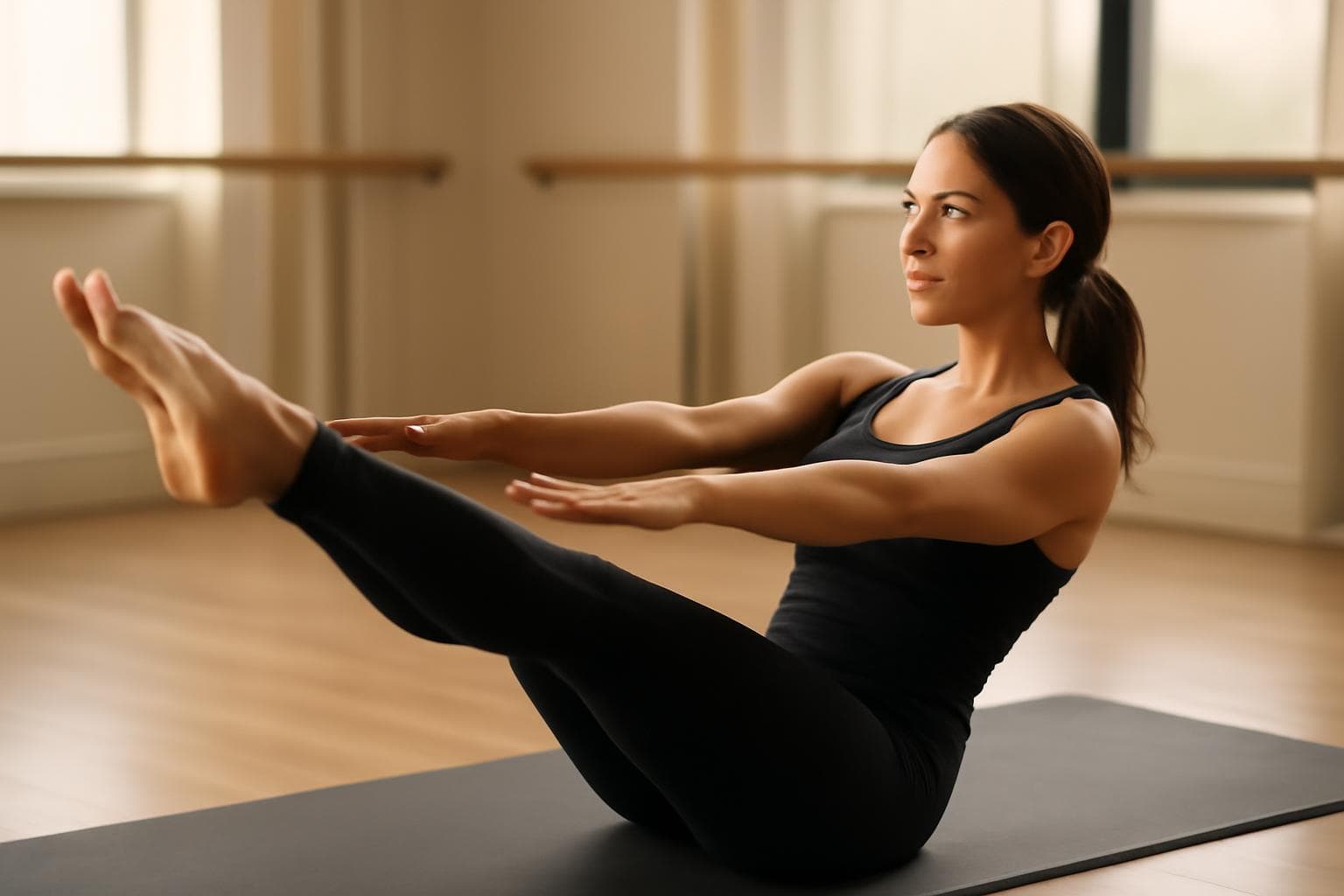
Yes, Pilates can help alleviate back pain. Systematic reviews and meta-analyses have demonstrated that Pilates exercises can reduce pain intensity and improve functional ability in individuals with chronic low back pain. However, its effectiveness is comparable to other forms of exercise, and it may not be superior to alternative exercise therapies.
Understanding Chronic Low Back Pain
Chronic low back pain (CLBP) is a prevalent condition affecting a significant portion of the adult population. It is characterized by persistent pain in the lower back lasting more than 12 weeks. CLBP can lead to functional limitations, reduced quality of life, and increased healthcare utilization. Exercise therapy is commonly recommended as a non-pharmacological intervention for managing CLBP.
What Is Pilates?
Pilates is a form of exercise developed by Joseph Pilates in the early 20th century. It focuses on strengthening the core muscles, improving flexibility, and enhancing overall body awareness. Pilates exercises can be performed on a mat or using specialized equipment and are designed to promote controlled movements and proper alignment.
Evidence Supporting Pilates for Back Pain
Several systematic reviews and meta-analyses have evaluated the effectiveness of Pilates in managing CLBP:
-
A 2024 systematic review and meta-analysis concluded that Pilates exercises can decrease low back pain compared to no exercise and non-specific exercise. The authors suggested that general practitioners consider Pilates as an effective strategy for managing low back pain. ([pubmed.ncbi.nlm.nih.gov](https://pubmed.ncbi.nlm.nih.gov/37632387/?utm_source=openai))
-
A 2015 Cochrane review found low- to moderate-quality evidence that Pilates is more effective than minimal intervention for reducing pain and disability in individuals with non-specific low back pain. However, the review noted no conclusive evidence that Pilates is superior to other forms of exercise. ([cochrane.org](https://www.cochrane.org/evidence/CD010265_pilates-low-back-pain?utm_source=openai))
-
A 2013 systematic review and meta-analysis reported that Pilates was better than minimal intervention for reducing pain and disability in patients with chronic non-specific low back pain. However, it was not found to be more effective than other types of exercise for short-term pain reduction. ([pmc.ncbi.nlm.nih.gov](https://pmc.ncbi.nlm.nih.gov/articles/PMC4207151/?utm_source=openai))
Comparing Pilates to Other Exercise Forms
While Pilates has been shown to be effective in managing CLBP, its benefits are comparable to those of other exercise modalities. The choice between Pilates and other forms of exercise should be based on individual preferences, accessibility, and specific patient needs. Engaging in any form of regular physical activity that strengthens the core and improves flexibility can be beneficial for individuals with CLBP.
Implementing Pilates Safely
Before starting a Pilates program, especially for individuals with existing back pain, it is essential to consult with a healthcare professional or a qualified Pilates instructor. Proper instruction ensures that exercises are performed correctly, reducing the risk of injury. Starting with beginner-level classes and gradually progressing can help individuals build strength and confidence in their movements.
Conclusion
Pilates can be an effective component of a comprehensive approach to managing chronic low back pain. While it offers benefits in reducing pain and improving function, it is not necessarily superior to other exercise forms. Individuals should choose an exercise modality that they enjoy and can adhere to consistently. Consulting with healthcare professionals and qualified instructors can help tailor an exercise program to individual needs, ensuring safety and effectiveness.
For those interested in exploring Pilates or other exercise options for managing back pain, connecting with a vetted personal trainer or fitness coach can provide personalized guidance and support. Explore our platform to find professionals who can assist you in your fitness journey.