
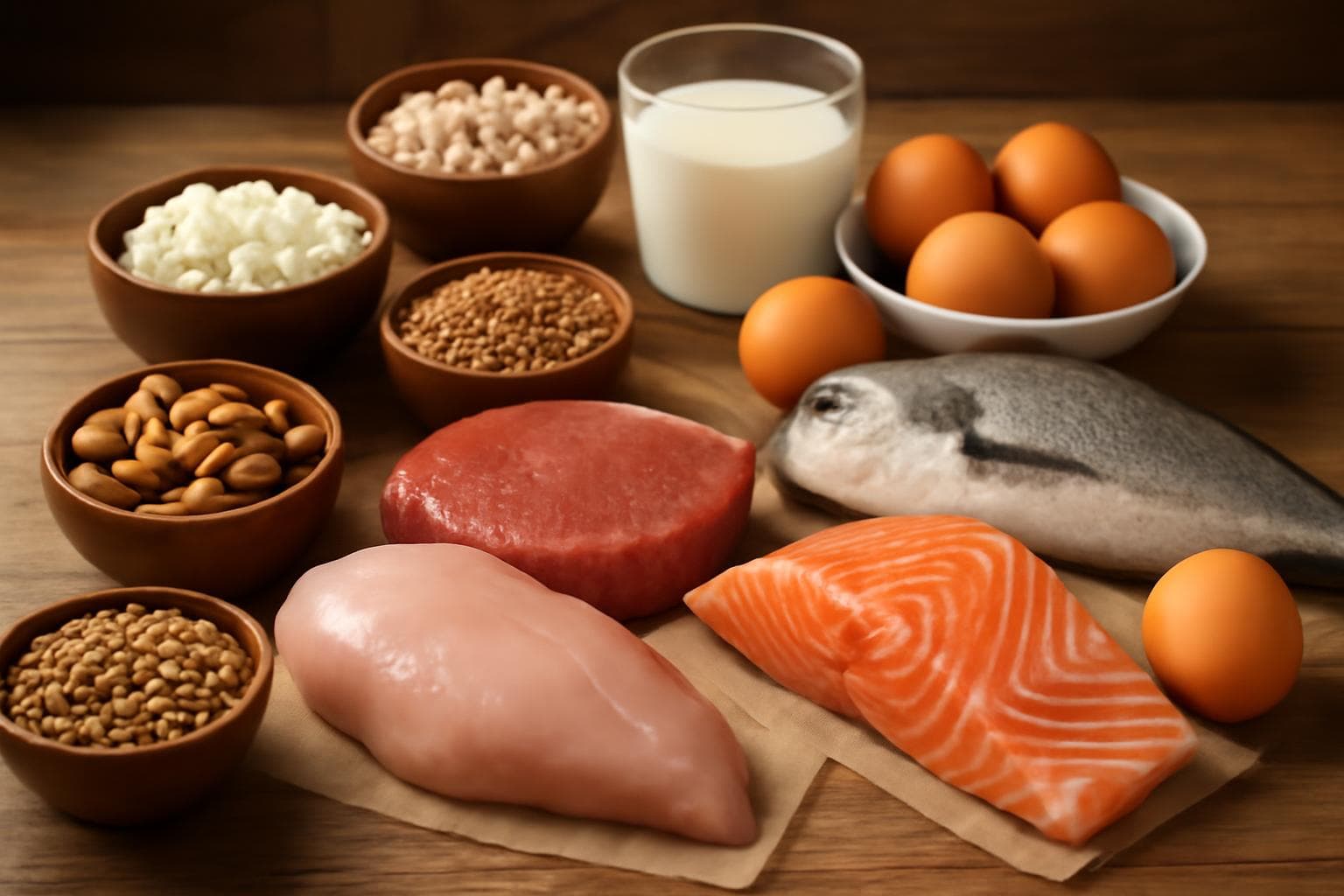
To effectively build muscle, it's essential to consume high-quality protein sources that provide all the necessary amino acids for muscle protein synthesis. Both animal and plant-based proteins can support muscle growth when incorporated appropriately into your diet.
Why Protein Quality Matters
Proteins are composed of amino acids, nine of which are essential and must be obtained through diet. The quality of a protein source is determined by its amino acid profile and digestibility. Complete proteins contain all nine essential amino acids in sufficient quantities, making them particularly effective for muscle building. Animal proteins are typically complete, while most plant proteins are incomplete, lacking one or more essential amino acids. However, combining different plant proteins can provide a complete amino acid profile. ([health.harvard.edu](https://www.health.harvard.edu/diet-and-nutrition/high-protein-foods-the-best-protein-sources-to-include-in-a-healthy-diet?utm_source=openai))
Top Animal-Based Protein Sources
Lean Meats
- Chicken Breast: Approximately 31 grams of protein per 100 grams. ([physiopocket.com](https://www.physiopocket.com/protein-intake-muscle-building.html?utm_source=openai))
- Turkey Breast: Around 30 grams of protein per 100 grams. ([physiopocket.com](https://www.physiopocket.com/protein-intake-muscle-building.html?utm_source=openai))
- Lean Beef: Approximately 26 grams of protein per 100 grams. ([physiopocket.com](https://www.physiopocket.com/protein-intake-muscle-building.html?utm_source=openai))
Fish and Seafood
- Salmon: Provides about 25 grams of protein per 100 grams, along with beneficial omega-3 fatty acids. ([physiopocket.com](https://www.physiopocket.com/protein-intake-muscle-building.html?utm_source=openai))
- Tuna: Contains approximately 30 grams of protein per 100 grams. ([physiopocket.com](https://www.physiopocket.com/protein-intake-muscle-building.html?utm_source=openai))
Dairy Products
- Greek Yogurt: Offers 15–20 grams of protein per cup. ([physiopocket.com](https://www.physiopocket.com/protein-intake-muscle-building.html?utm_source=openai))
- Cottage Cheese: Contains about 25 grams of protein per cup. ([physiopocket.com](https://www.physiopocket.com/protein-intake-muscle-building.html?utm_source=openai))
Eggs
- Whole Eggs: Each large egg provides approximately 6 grams of high-quality protein. ([physiopocket.com](https://www.physiopocket.com/protein-intake-muscle-building.html?utm_source=openai))
Top Plant-Based Protein Sources
Legumes
- Lentils: Provide about 18 grams of protein per cooked cup. ([physiopocket.com](https://www.physiopocket.com/protein-intake-muscle-building.html?utm_source=openai))
- Chickpeas: Contain approximately 15 grams of protein per cooked cup. ([physiopocket.com](https://www.physiopocket.com/protein-intake-muscle-building.html?utm_source=openai))
Whole Grains
- Quinoa: Offers 8 grams of complete protein per cooked cup. ([physiopocket.com](https://www.physiopocket.com/protein-intake-muscle-building.html?utm_source=openai))
Nuts and Seeds
- Almonds: Provide 6 grams of protein per ounce. ([physiopocket.com](https://www.physiopocket.com/protein-intake-muscle-building.html?utm_source=openai))
- Chia Seeds: Contain 5 grams of protein per ounce. ([physiopocket.com](https://www.physiopocket.com/protein-intake-muscle-building.html?utm_source=openai))
Soy Products
- Tofu: Contains 15–20 grams of complete protein per cup. ([physiopocket.com](https://www.physiopocket.com/protein-intake-muscle-building.html?utm_source=openai))
Incorporating Protein into Your Diet
To maximize muscle growth, it's important to distribute protein intake evenly throughout the day. Aim for 20–30 grams of protein per meal to effectively stimulate muscle protein synthesis. ([builtwithscience.com](https://builtwithscience.com/diet/protein-for-muscle-gain/?utm_source=openai)) Combining different protein sources can enhance the amino acid profile, especially for those following a plant-based diet. For example, pairing legumes with whole grains can provide a complete set of essential amino acids. ([health.harvard.edu](https://www.health.harvard.edu/diet-and-nutrition/high-protein-foods-the-best-protein-sources-to-include-in-a-healthy-diet?utm_source=openai))
Conclusion
Selecting high-quality protein sources and incorporating them strategically into your diet is crucial for muscle gain. Both animal and plant-based proteins can be effective when consumed in appropriate amounts and combinations. By understanding the protein content and quality of various foods, you can tailor your nutrition to support your muscle-building goals.
References
- Protein Intake for Muscle Building: Complete Evidence-Based Guide
- High-protein foods: The best protein sources to include in a healthy diet
- 26 Muscle Building Foods for Lean Muscle
- 30 muscle-building foods to fuel your goals
For personalized guidance on optimizing your nutrition and fitness regimen, consider connecting with a qualified personal trainer through Fitsylvania. Explore our range of experienced professionals to find the right fit for your goals.